The PURPL blog
Every guide, page 2
Newest first. Page 2 of 8.
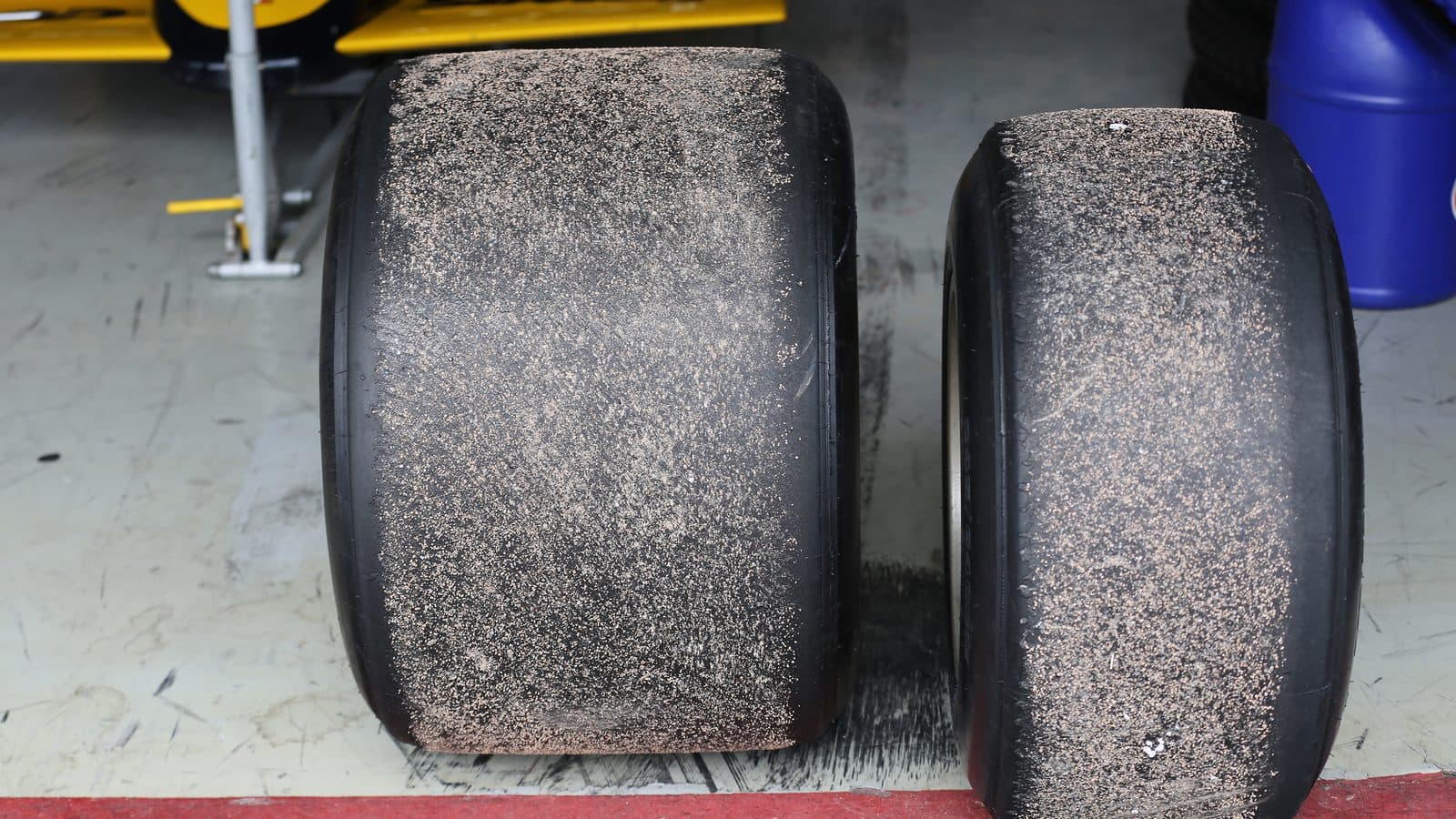 Tires & SetupWhen Are Hard Kart Tires Faster Than Soft? The Three ConditionsSofter is faster 90% of the time. Not above 60°C track temperature, not on an abrasive surface, not over 25 laps. The three conditions where mediums win.
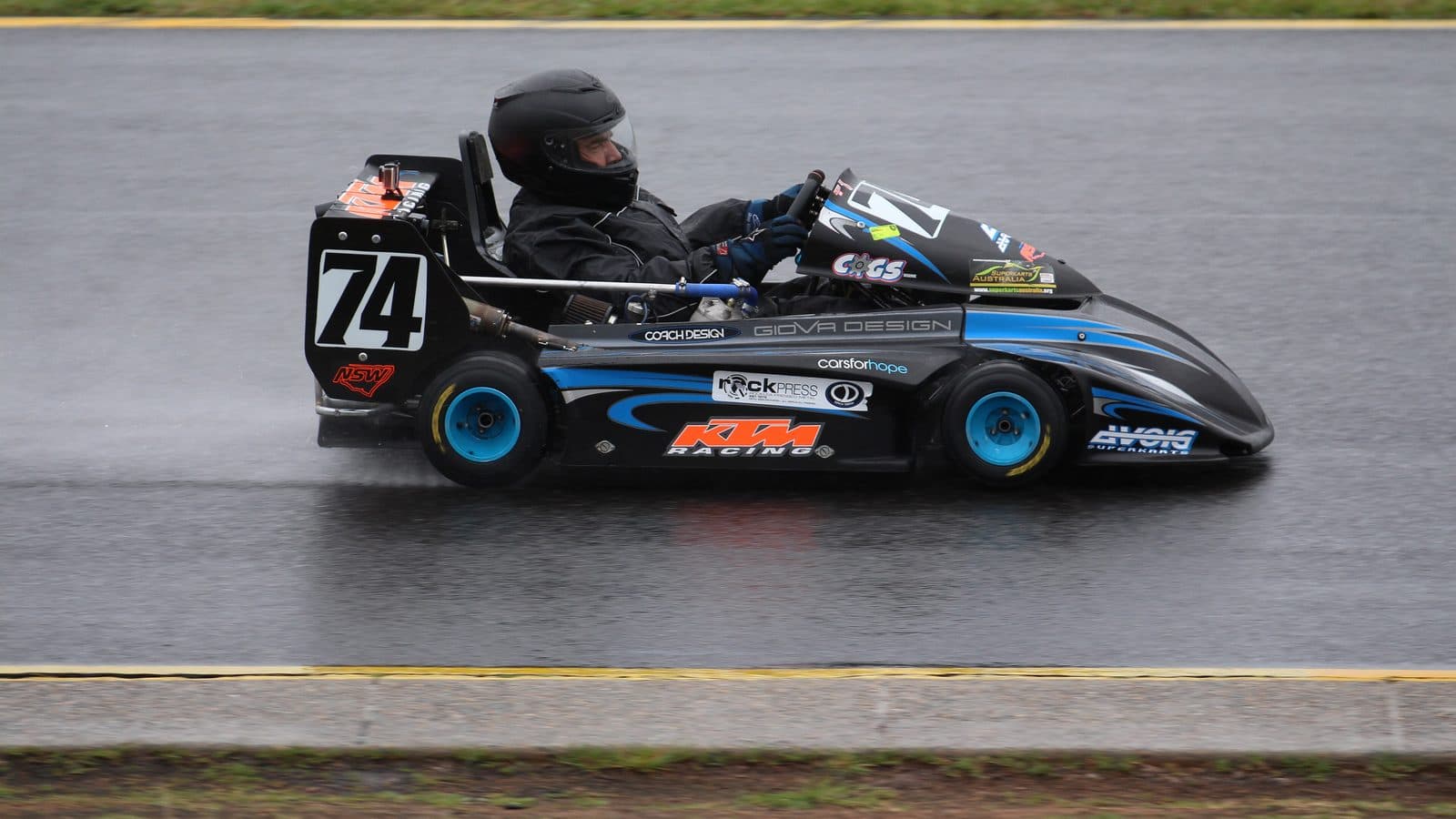 BrakingBraking in the Wet: Harder, Not SofterThe advice to brake softly in the rain is a bandage for a different mistake. The real problem is where you brake, not how hard. Stay off the rubber line.
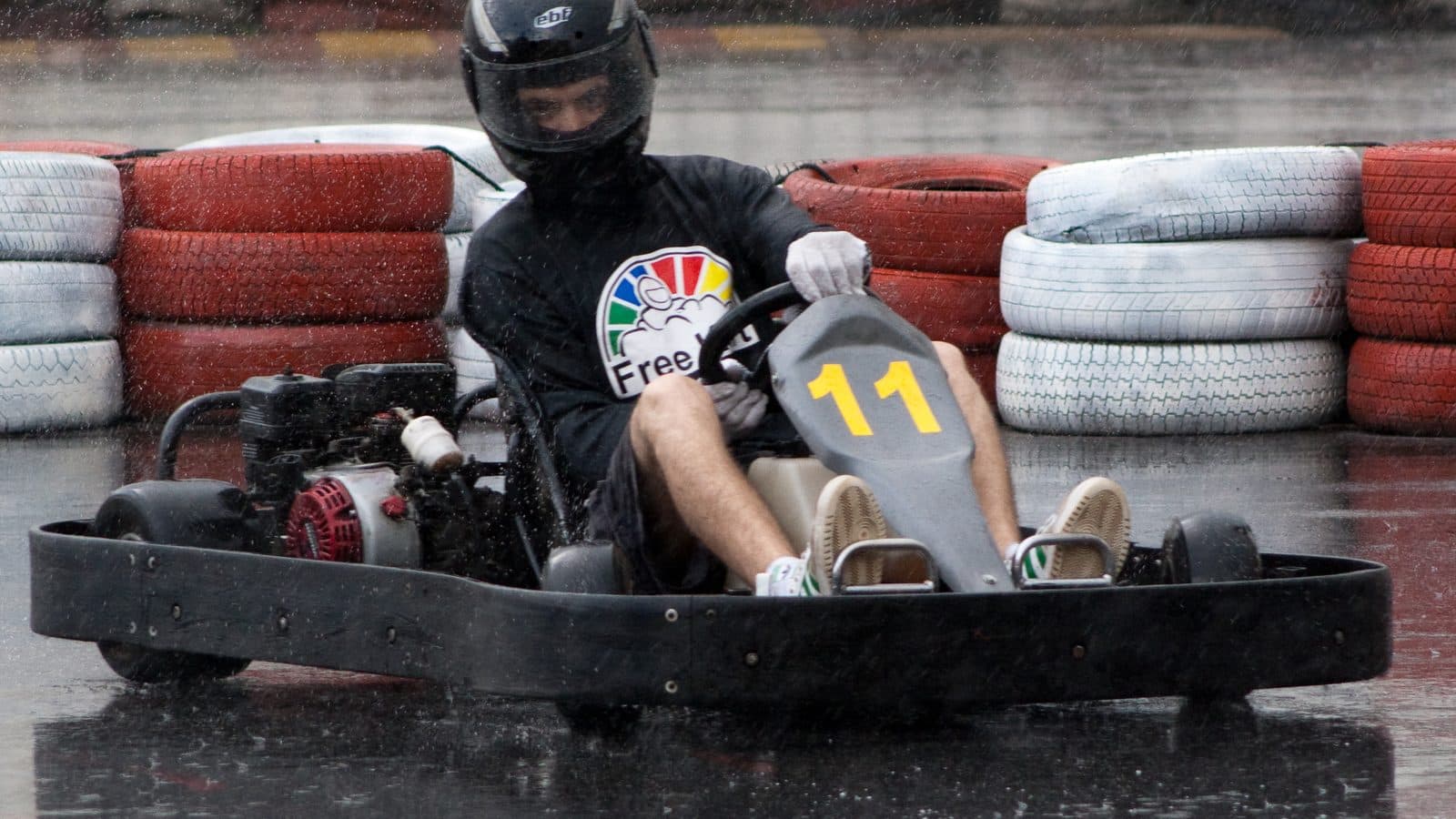 Reading DataCan You Really Analyze Data in the Wet? An Honest AnswerThe track changes every session and there is no reference lap, so wet data feels useless. Here are the six things that still tell you something real.
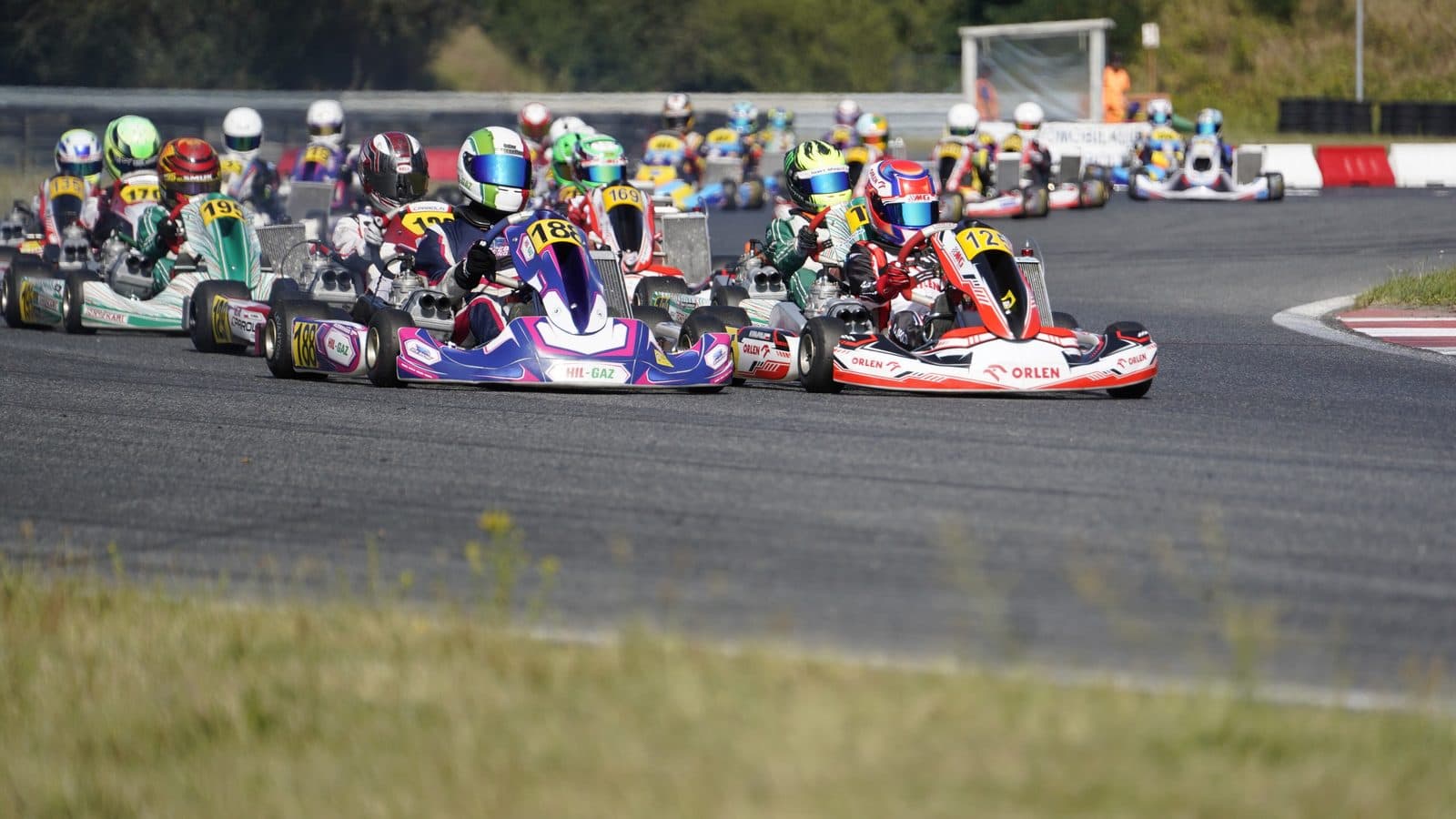 BrakingHow Much Should You Trail Brake? By Corner and By ClassSlow corners want the brakes to the apex, fast corners want none. A KZ trails more than a 60 Mini. Here is the rule of thumb, and why it stays a feel.
 BrakingKZ Braking Is Different: Front Brakes, the V Line and Engine BrakingKZ is the only kart left with front brakes, and it rewrites the corner. The 1.8G numbers, the diagonal V line, and how much engine braking is too much.
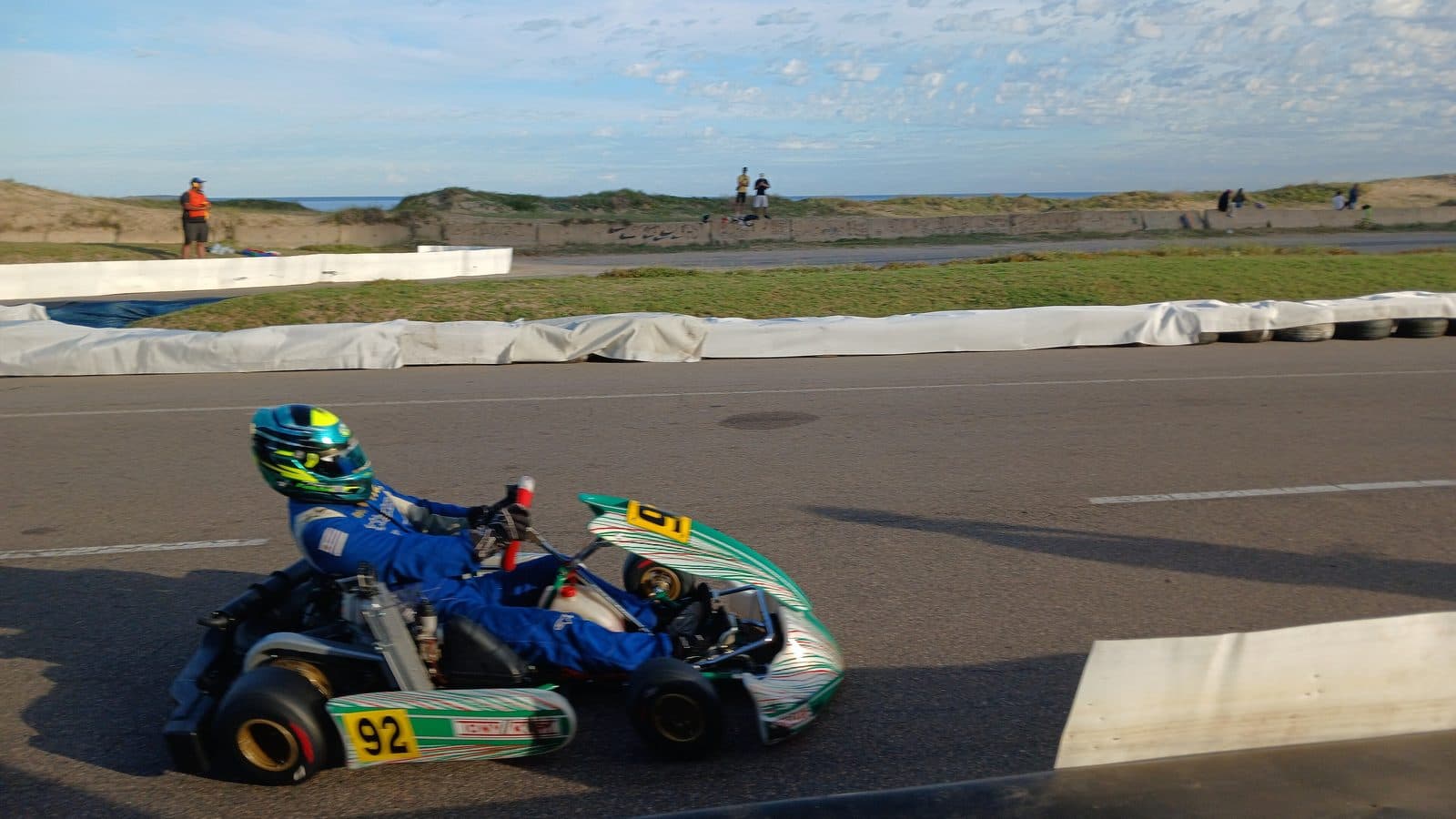 BrakingShould You Coast or Brake Into Corners?Braking then coming off as you turn in is the most common mistake there is. Where to release the brake, the banking exceptions, and why coasting kills grip.
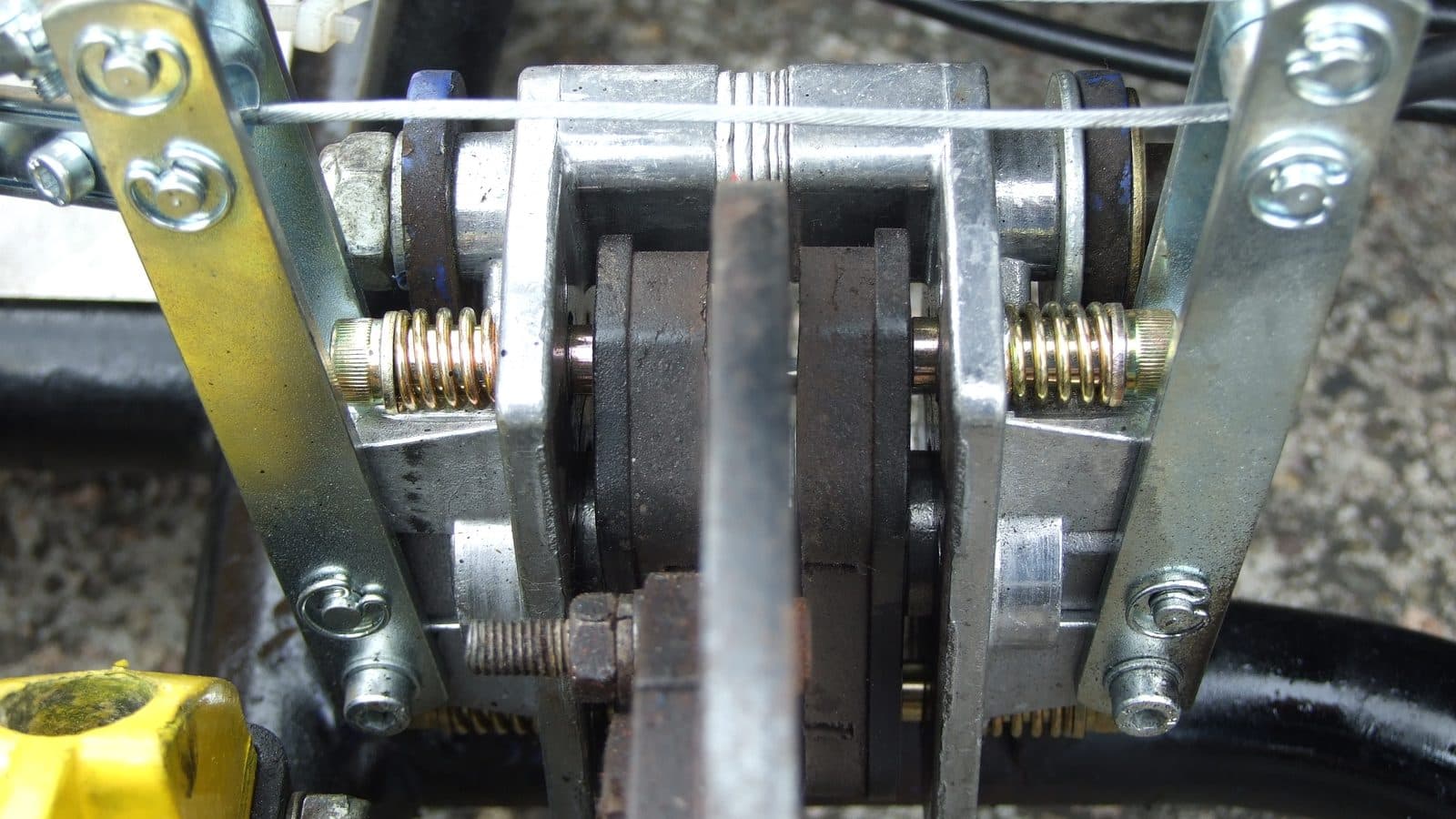 BrakingHow to Get Over the Fear of Hard BrakingFear is a handbrake, and you beat it the way you beat any fear: exposure. The no-stakes drill that turns a nervous braker into a late one in two days.
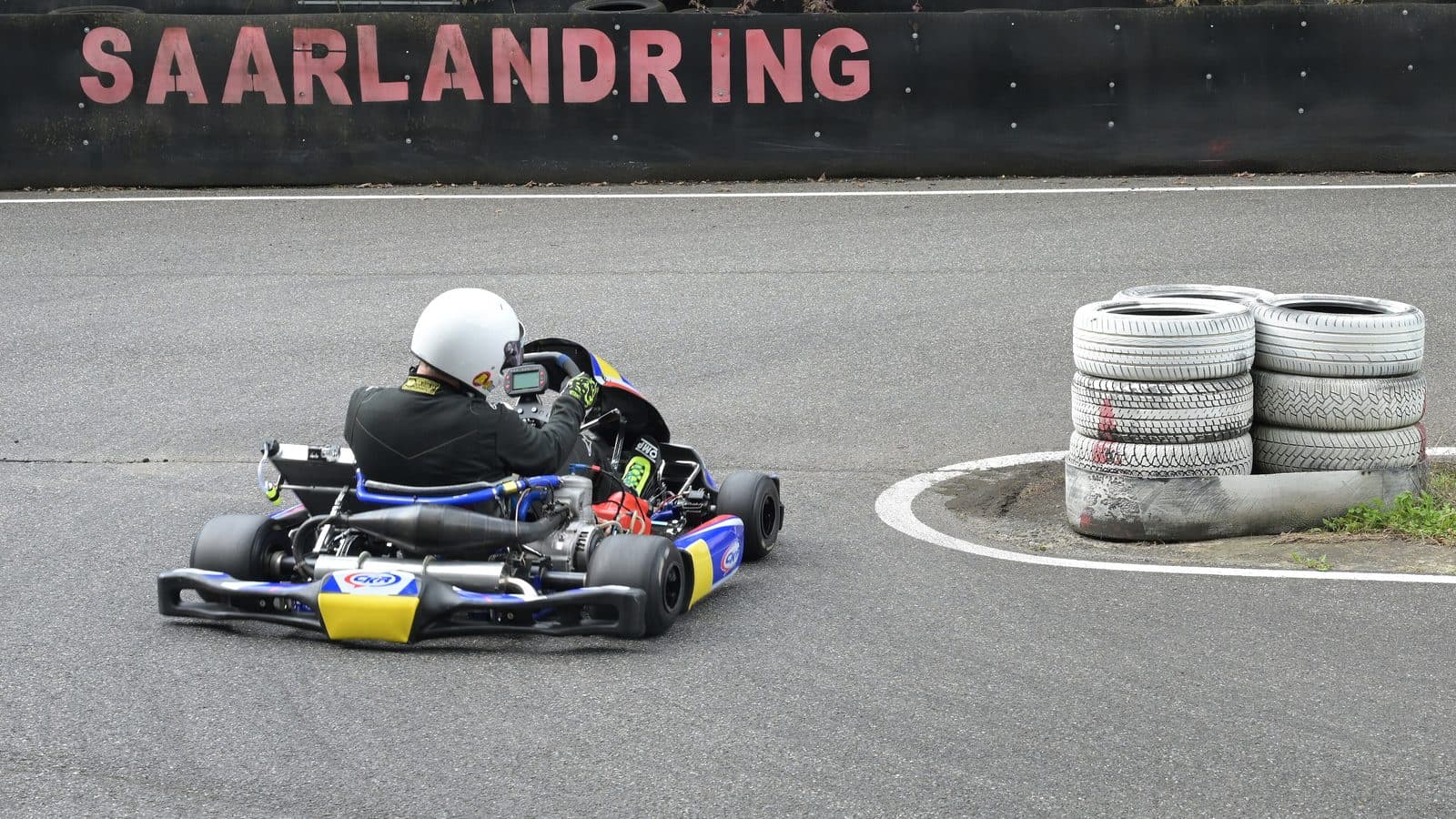 BrakingThe Overslowing Signature: How to Spot It in Your DataOverslowing the entry triggers a chain of three more mistakes. The trace shape, the steering-angle tell, and why slow in fast out loses you time.
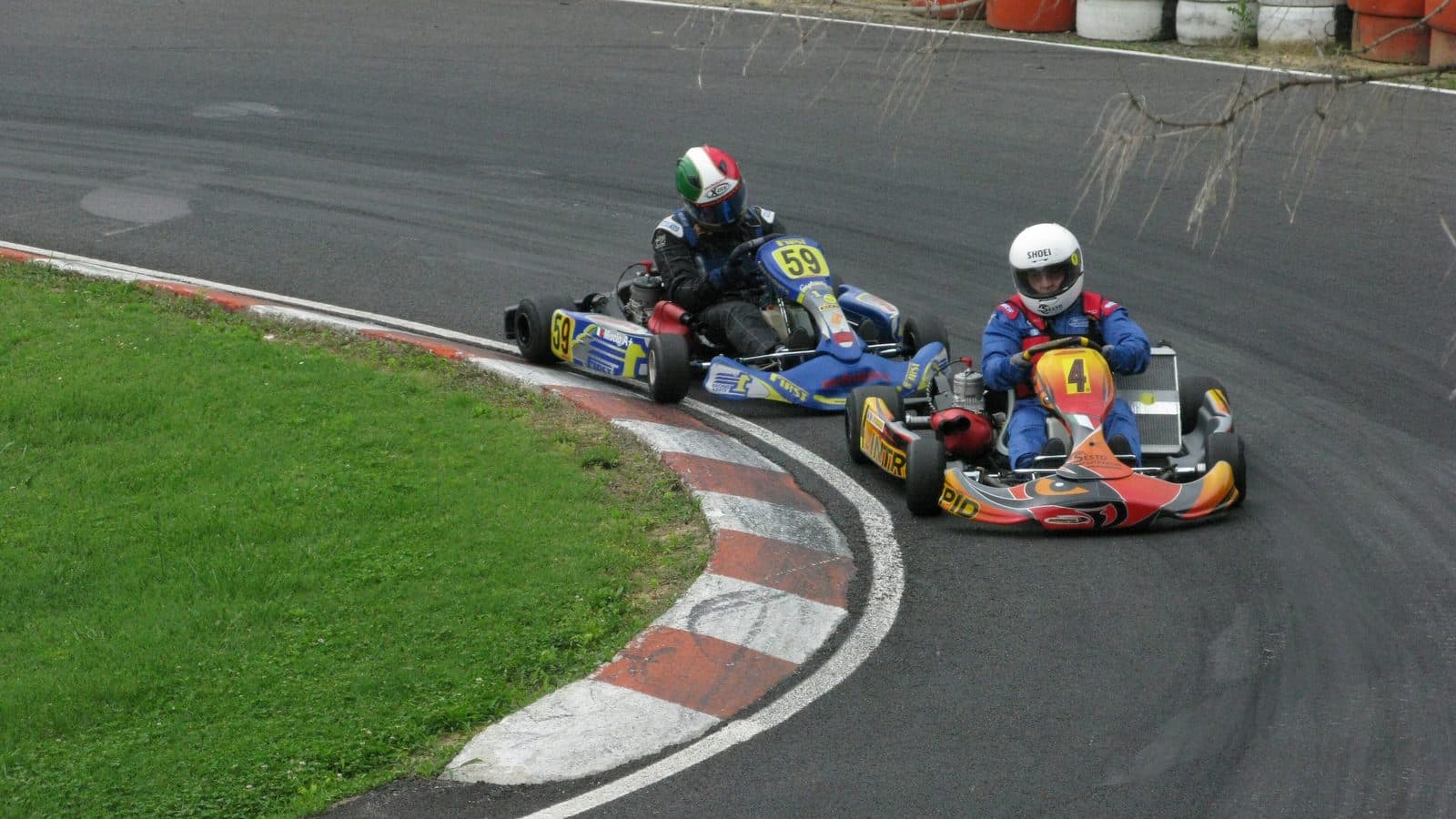 Corners & LinesRolling Speed: How to Carry Mid-Corner Speed in a KartCarrying less speed feels like a better exit, and it isn't. Why mid-corner momentum lifts the inside rear wheel, and the 0.1s transition that creates it.
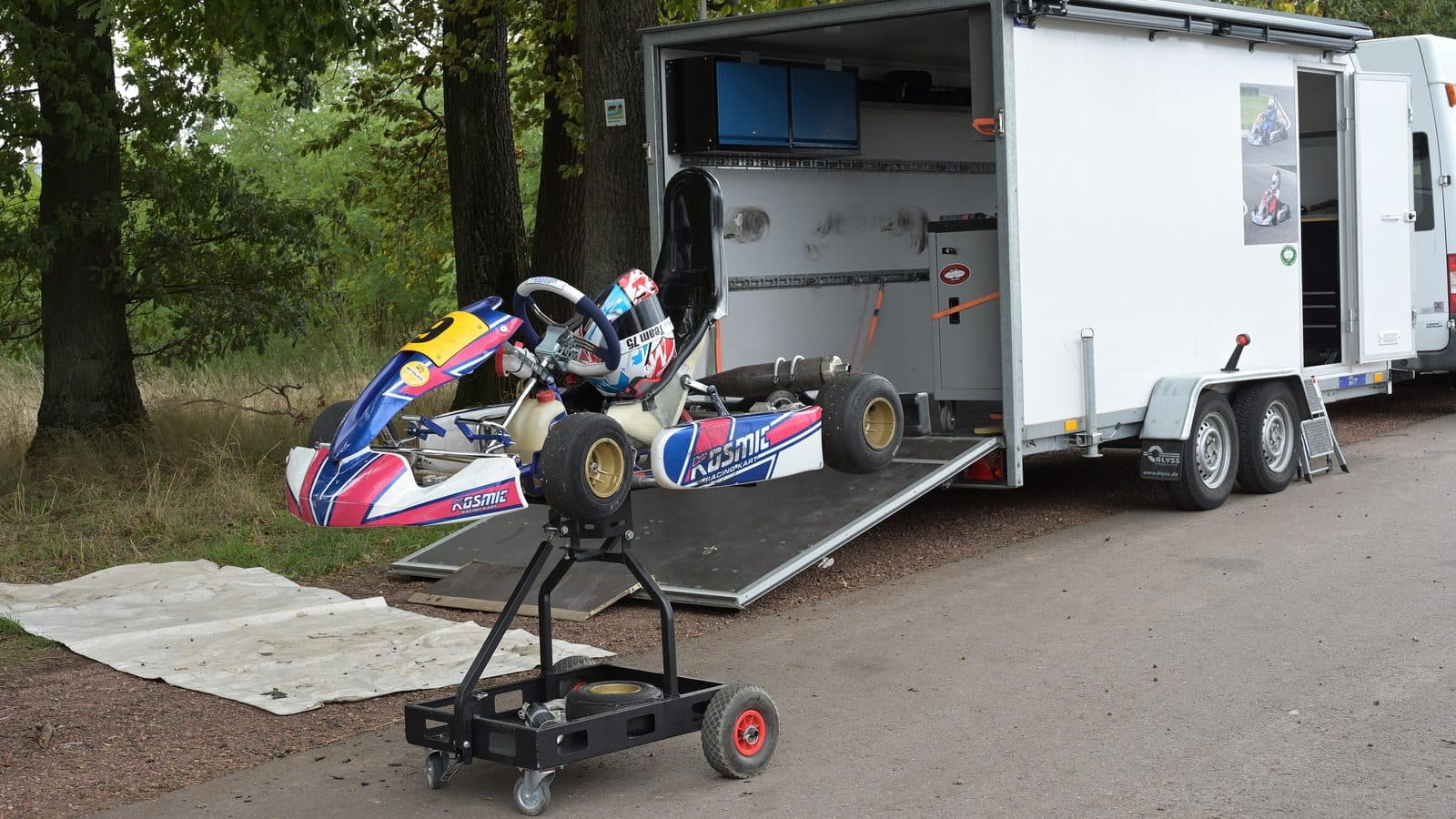 Debrief & ProgressRacing Without a Team: The Privateer's Data PlaybookNo teammates, no shared data, no engineer. How privateers now close the gap using the track as a teacher, their own session memory, and traded data.
 Debrief & ProgressThe 9 Questions to Ask After Every Karting SessionThe checklist I give my drivers at Babyrace for the moment they climb out of the kart. Nine questions, each with the number you should be aiming at.
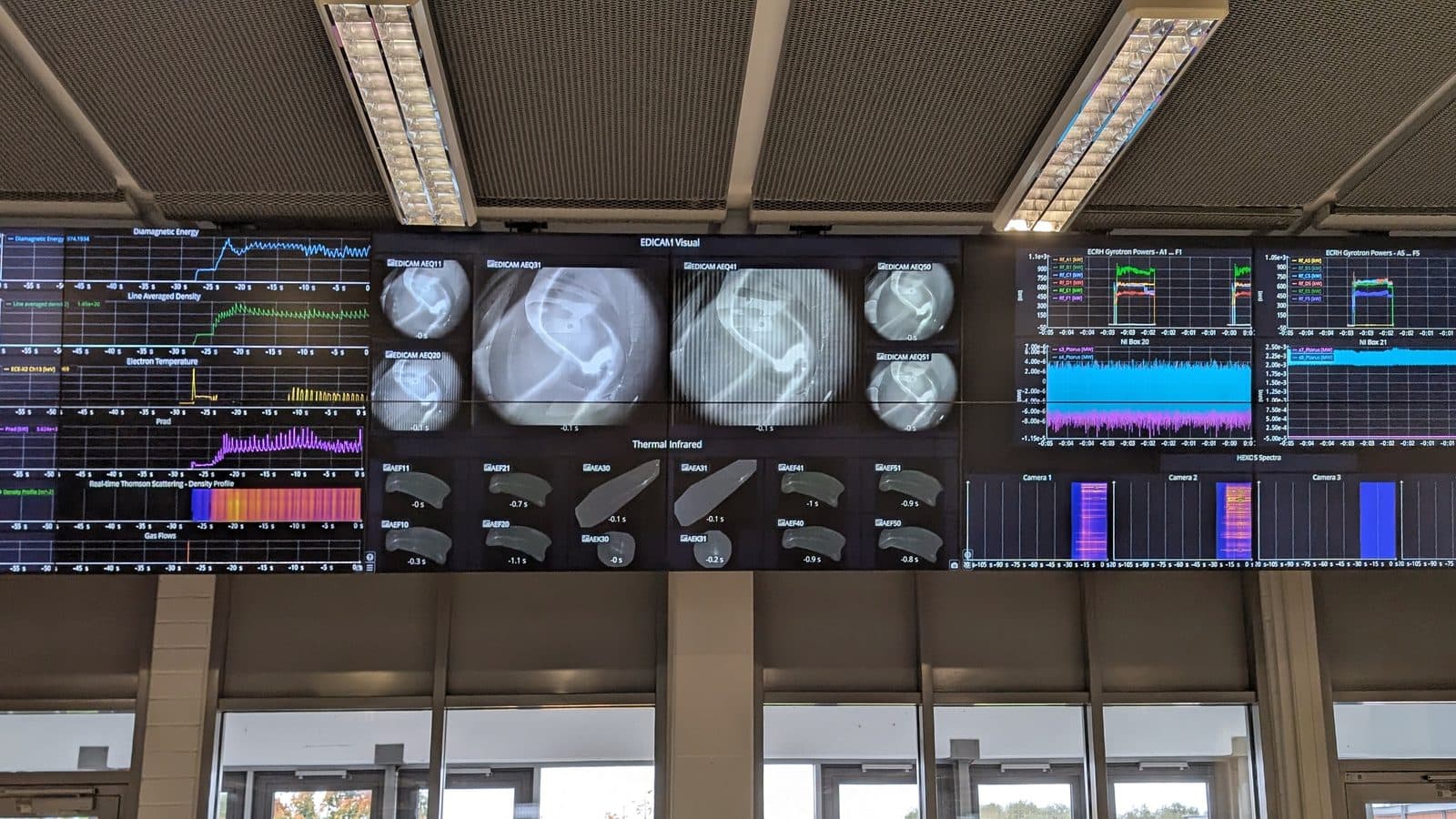 AI & the FutureCan AI Read Your Karting Data? An Honest AnswerYes, you can paste a MyChron export into ChatGPT. Here is what it reads, where it guesses, and six checks to run on its answer before you trust it.
Photo credits
- When Are Hard Kart Tires Faster Than Soft? The Three Conditions. Photo (cropped): Auge=mit, CC BY-SA 4.0, via Wikimedia Commons.
- Braking in the Wet: Harder, Not Softer. Photo (cropped): jason goulding from Muswellbrook, Australia, CC BY 2.0, via Wikimedia Commons.
- Can You Really Analyze Data in the Wet? An Honest Answer. Photo (cropped): Marco Gomes from São Paulo, Brasil, CC BY 2.0, via Wikimedia Commons.
- How Much Should You Trail Brake? By Corner and By Class. Photo (cropped): Joanna Lenart, CC0, via Wikimedia Commons.
- KZ Braking Is Different: Front Brakes, the V Line and Engine Braking. Photo (cropped): Writer50, CC BY-SA 4.0, via Wikimedia Commons.
- Should You Coast or Brake Into Corners?. Photo (cropped): NaBUru38, CC BY-SA 4.0, via Wikimedia Commons.
- How to Get Over the Fear of Hard Braking. Photo (cropped): Beademung at German Wikipedia, CC BY-SA 3.0 de, via Wikimedia Commons.
- The Overslowing Signature: How to Spot It in Your Data. Photo (cropped): Simon Mannweiler, CC BY-SA 4.0, via Wikimedia Commons.
- Rolling Speed: How to Carry Mid-Corner Speed in a Kart. Photo (cropped): photobeppus, CC BY-SA 2.0, via Wikimedia Commons.
- Racing Without a Team: The Privateer's Data Playbook. Photo (cropped): Simon Mannweiler, CC BY-SA 4.0, via Wikimedia Commons.
- The 9 Questions to Ask After Every Karting Session. Photo: Synergydriverperformance, CC BY-SA 4.0, via Wikimedia Commons.
- Can AI Read Your Karting Data? An Honest Answer. Photo (cropped): Siarhei Besarab, CC BY-SA 4.0, via Wikimedia Commons.


