Topic
Tires & Setup
Pressures, compounds, gearing and balance: setting up the kart from the data.
11 guides · about 2 hours of reading
Start with this one
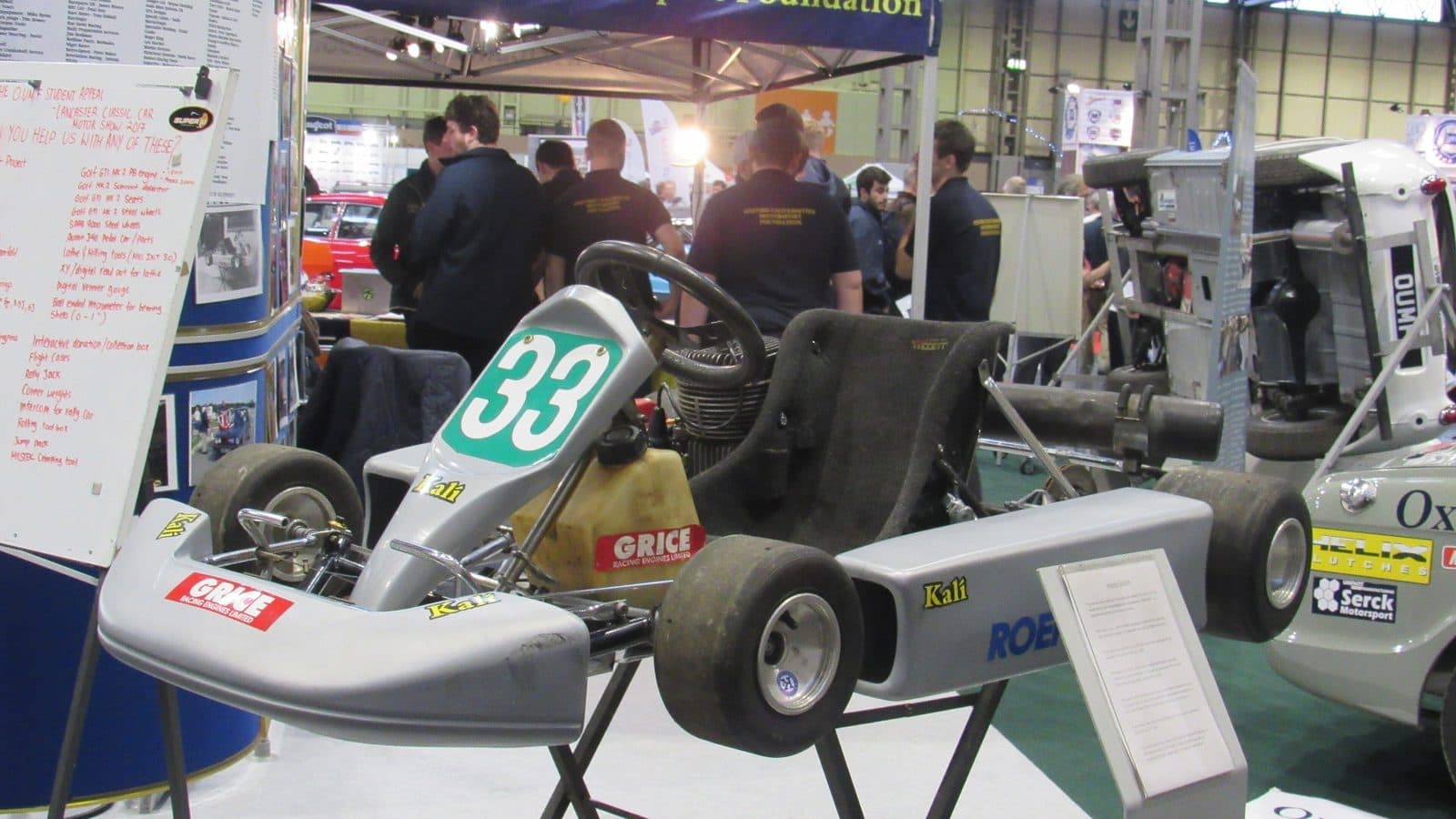
10 more guides, newest first
 Inside Rear Wheel Lift in a Kart: How Many Kilos MoveIn a physics model of a KZ shifter the inside rear tyre falls from 49 kg standing to 11 kg at 1.5 g. A kart has no differential, so that unloading is how it turns.
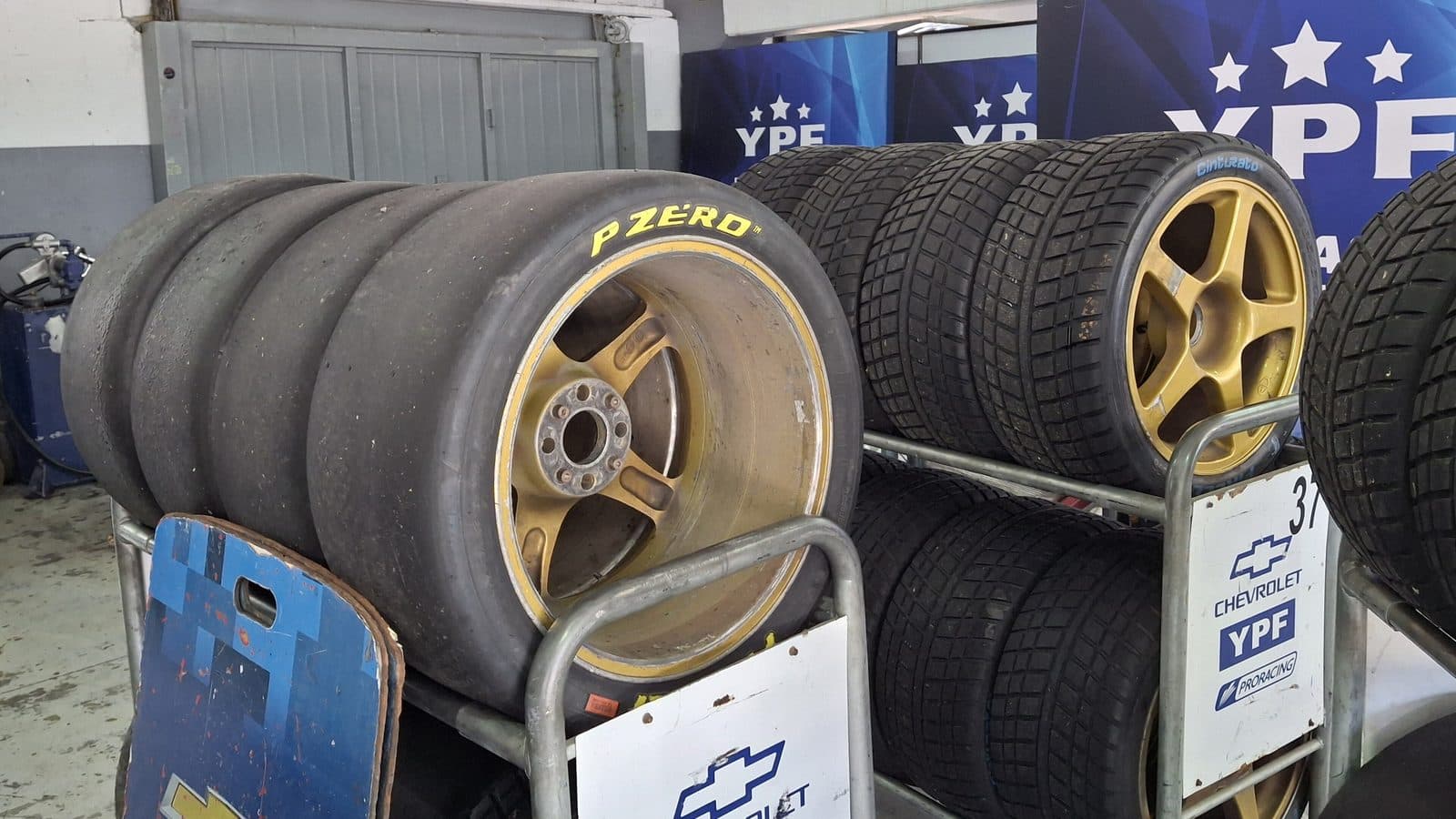 Kart Tire Pressure by Conditions: Hot, Cold, Grippy, Green and WetCold track, higher pressure. Hot, lower. Green track, higher. Grippy, lower. Hard compound up, soft down. Rules of thumb that work 90% of the time.
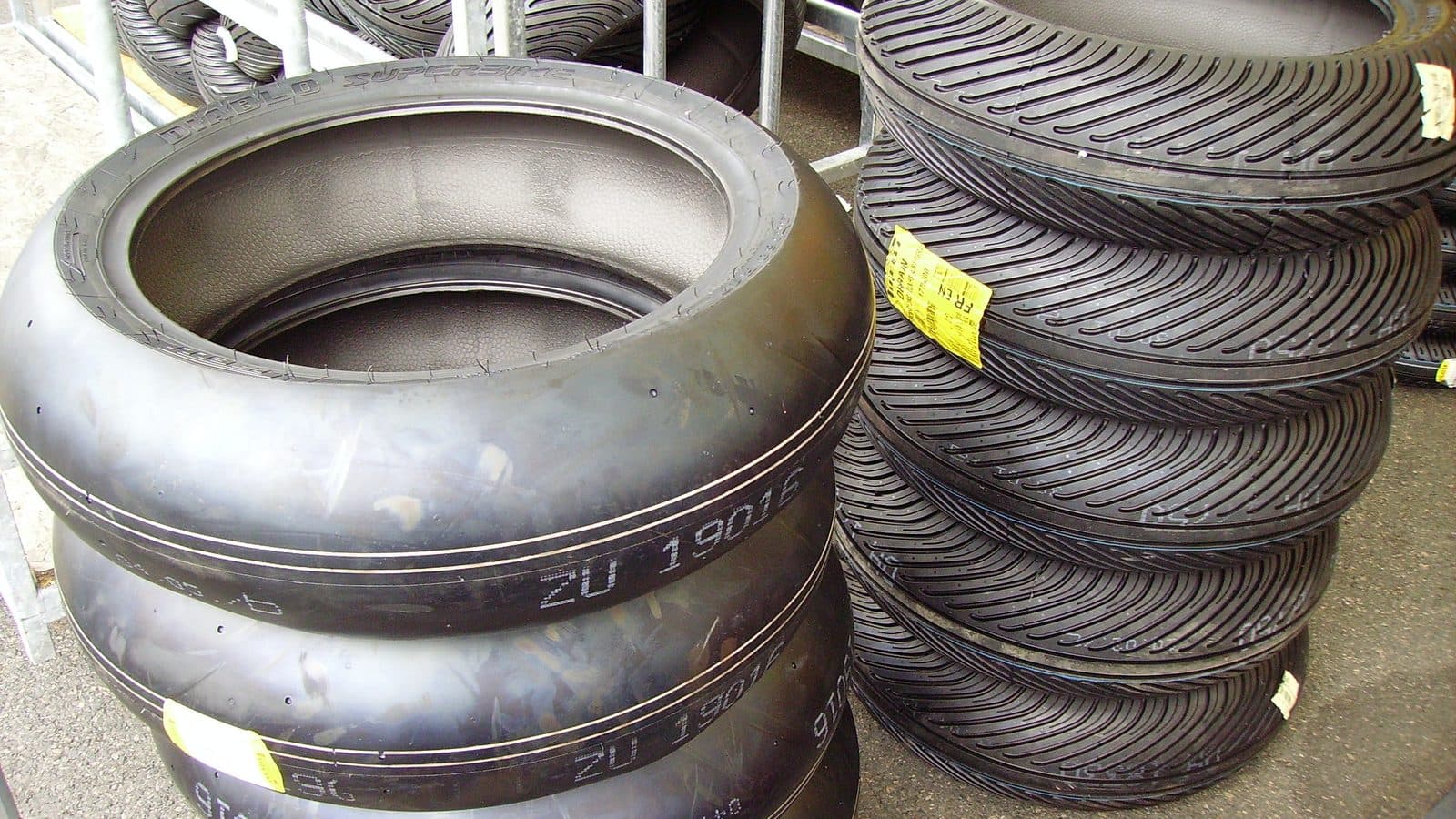 7 Reasons You're Slower on New Kart Tires (and How to Tell Which One)New tires, two tenths slower? 80% of the time it's the track. The rest: a bad set, mismatched circumference, wrong pressure, too much grip, or you.
 How to Warm Up Kart Tires Faster: Fronts First, Then the RearsTemperature makes grip, not pressure, and only the driver builds it. The outlap procedure, why the fronts are the hard part, and what cools tires down.
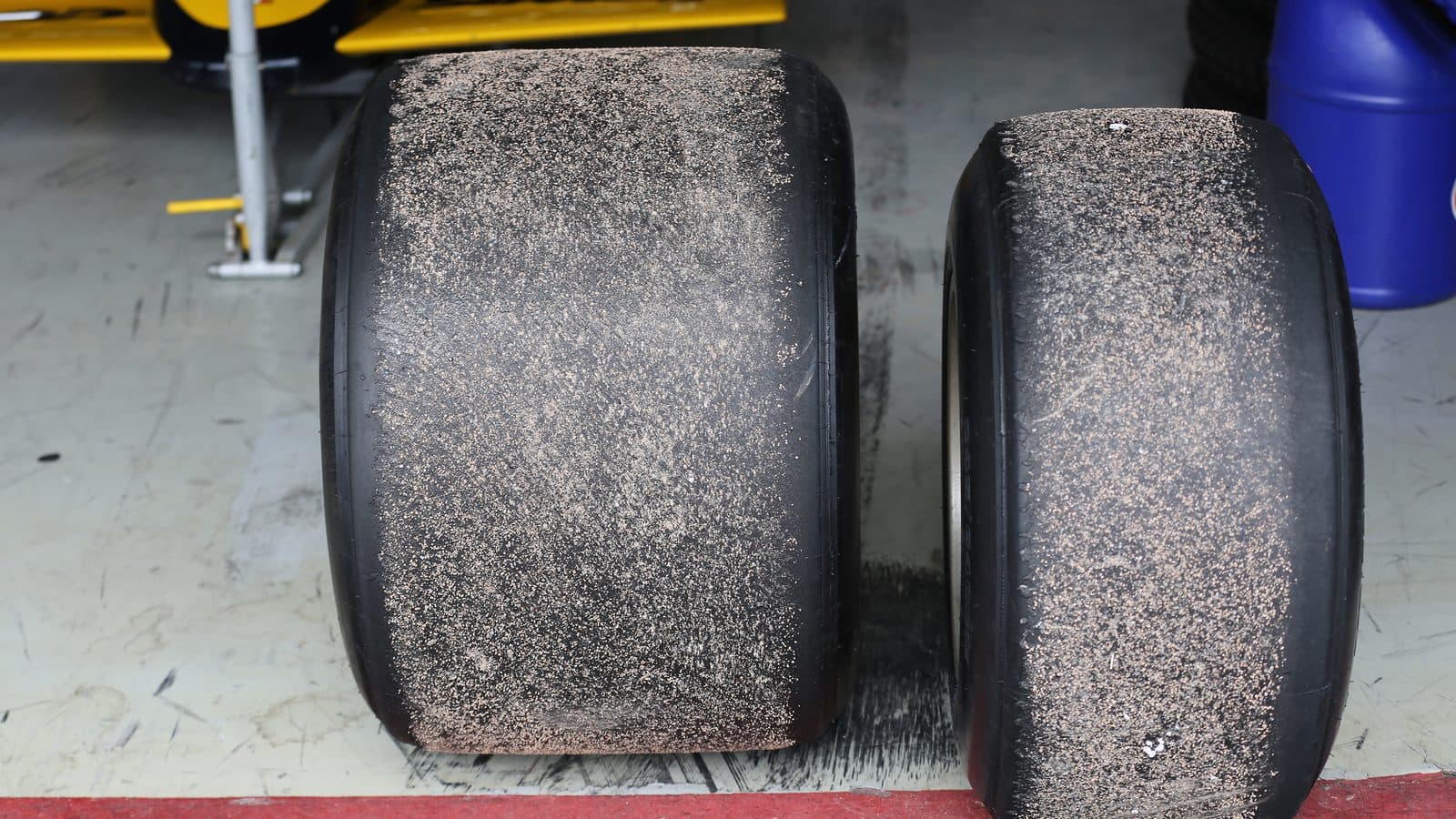 When Are Hard Kart Tires Faster Than Soft? The Three ConditionsSofter is faster 90% of the time. Not above 60°C track temperature, not on an abrasive surface, not over 25 laps. The three conditions where mediums win.
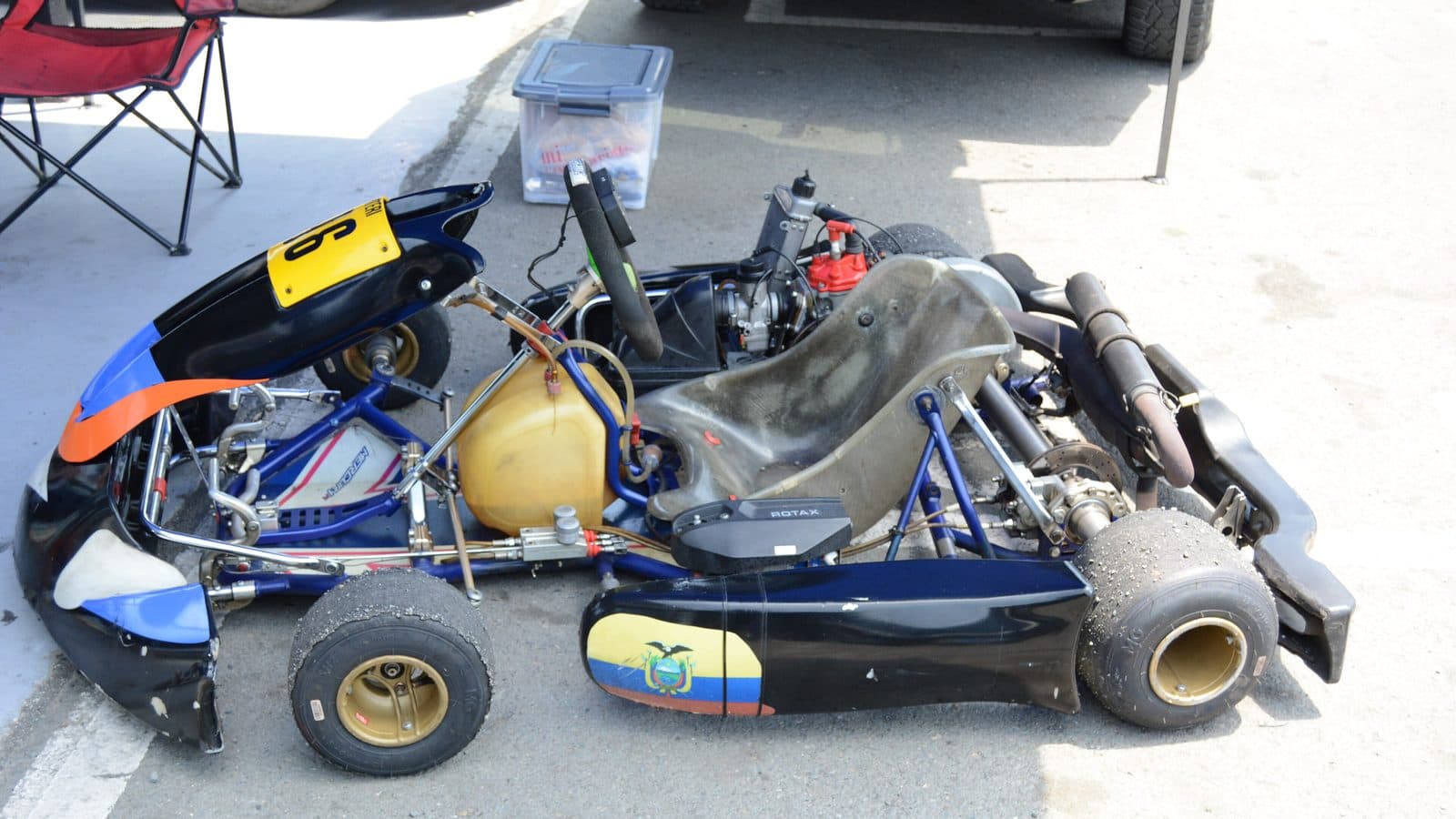 Seat Position and Weight Distribution: What Actually Changes in the DataThe seat is the biggest setup lever most drivers never touch. Why it rules the kart's balance, what height cost me, and the before/after data experiment.
 Kart Understeer or Oversteer? Diagnosing Balance From DataFront washing wide or rear snapping loose? A decision tree that reads minimum speed and steering corrections to name your kart's balance problem.
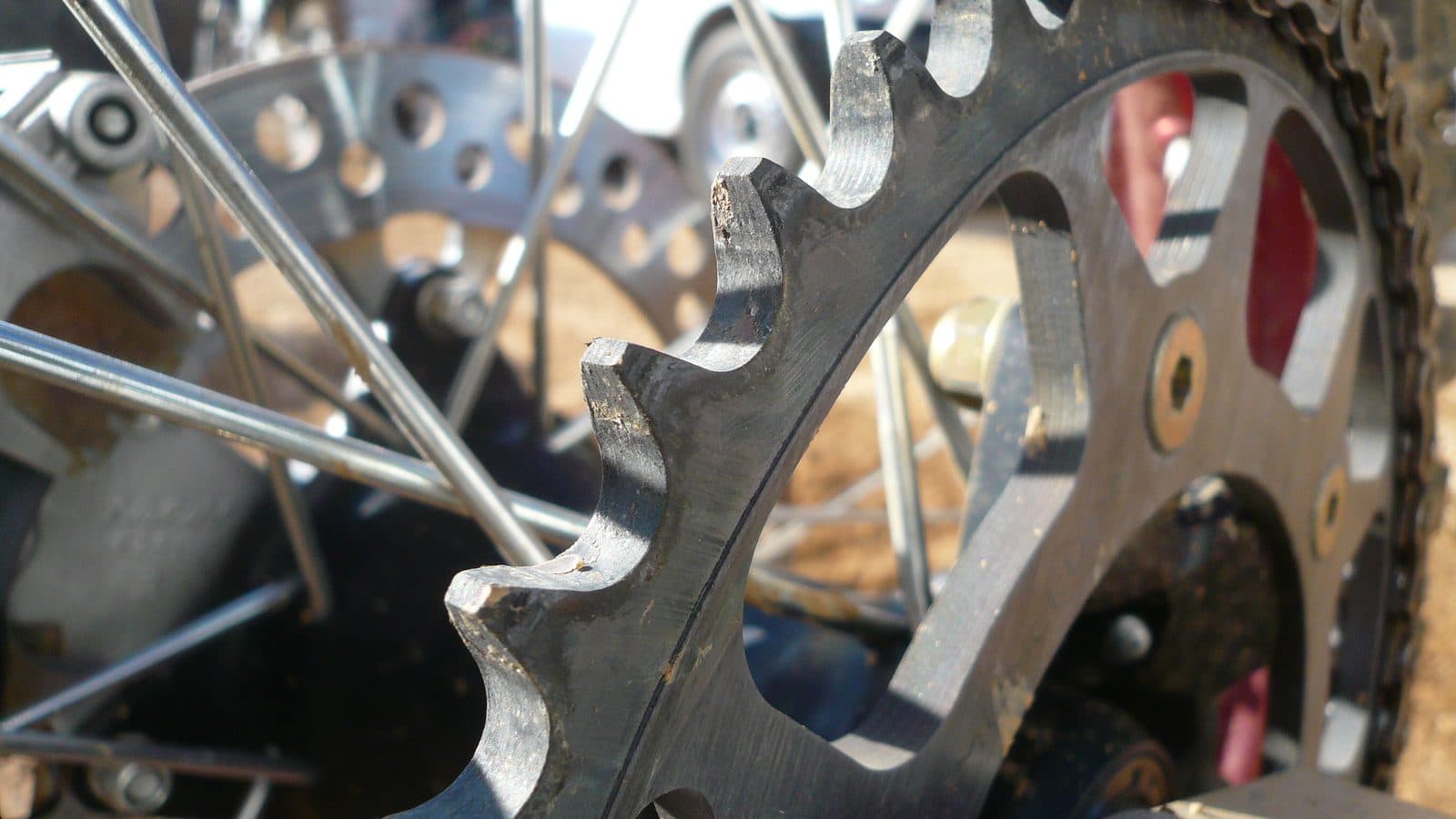 Kart Gearing: How to Choose Sprockets Using RPM DataStop guessing sprockets. The limiter-metres method, the minimum-RPM floor check, and the verdict table that converts any RPM trace into a tooth count.
 Track Grip Evolution: Reading Changing Conditions Through Your DataThe track is never the same twice. What makes grip rise and fall across a race day, and how track grip evolution shows up in your own telemetry.
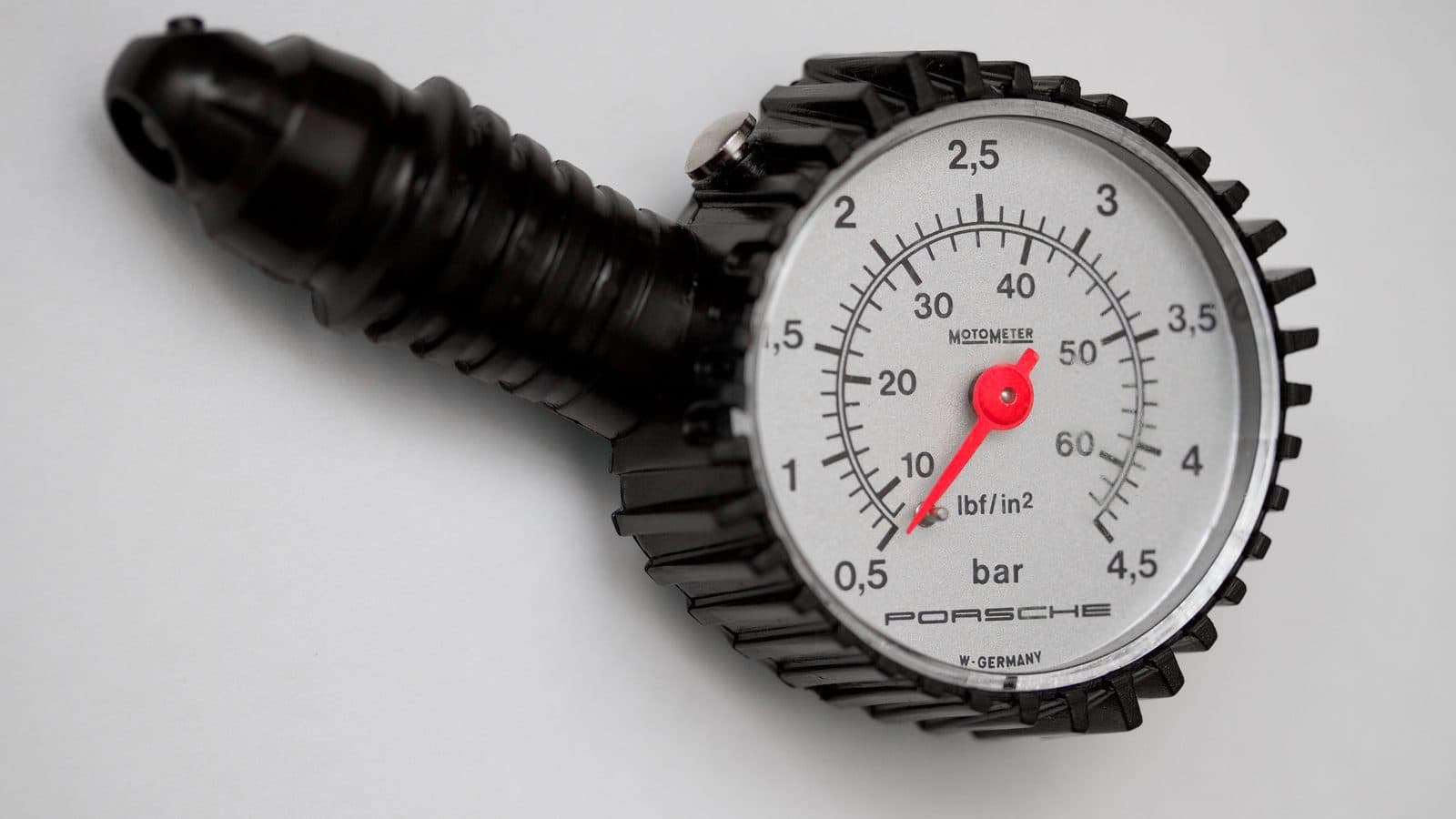 Kart Tire Pressure: Finding Your Optimum With DataThe manufacturer's pressure is a starting point, not a law. The window framing, the hot-day story that proves it, and the data method that finds your real number.
Photo credits
- Inside Rear Wheel Lift in a Kart: How Many Kilos Move. Photo (cropped): Toby1929, CC BY-SA 4.0, via Wikimedia Commons.
- Kart Tire Pressure by Conditions: Hot, Cold, Grippy, Green and Wet. Photo (cropped): Just a Man, CC BY 4.0, via Wikimedia Commons.
- 7 Reasons You're Slower on New Kart Tires (and How to Tell Which One). Photo (cropped): Cjp24, CC BY-SA 3.0, via Wikimedia Commons.
- How to Warm Up Kart Tires Faster: Fronts First, Then the Rears. Photo (cropped): 6stringhero, CC BY-SA 3.0, via Wikimedia Commons.
- When Are Hard Kart Tires Faster Than Soft? The Three Conditions. Photo (cropped): Auge=mit, CC BY-SA 4.0, via Wikimedia Commons.
- Seat Position and Weight Distribution: What Actually Changes in the Data. Photo (cropped): Rfa.co, CC BY 4.0, via Wikimedia Commons.
- Kart Understeer or Oversteer? Diagnosing Balance From Data. Photo (cropped): Centum.MC1980, CC BY-SA 4.0, via Wikimedia Commons.
- Kart Gearing: How to Choose Sprockets Using RPM Data. Photo (cropped): SICD Ltd, CC0, via Wikimedia Commons.
- Track Grip Evolution: Reading Changing Conditions Through Your Data. Photo (cropped): Santeri Viinamäki, CC BY-SA 4.0, via Wikimedia Commons.
- Kart Tire Pressure: Finding Your Optimum With Data. Photo (cropped): Antti, CC BY 2.0, via Wikimedia Commons.
- Kart Setup Basics: A Data-First Primer. Photo (cropped): Vauxford, CC BY-SA 4.0, via Wikimedia Commons.


