The PURPL blog
Every guide, page 6
Newest first. Page 6 of 8.
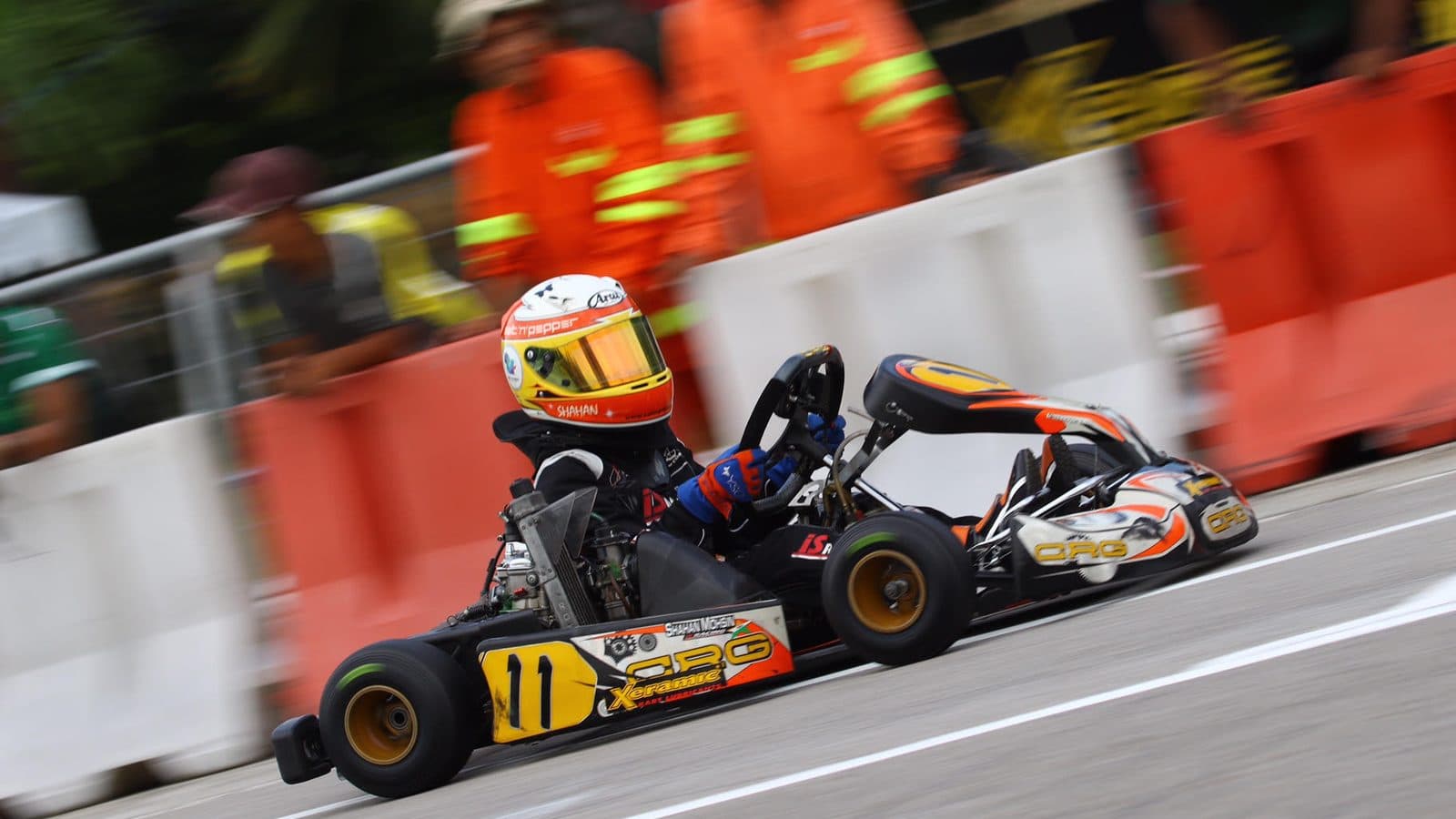 Reading DataThe Friction Circle (G-G Diagram) Explained for KartingThe friction circle shows whether you're using all the grip your kart has. How to read the G-G diagram, what a kart's cloud should look like, and the gaps that cost time.
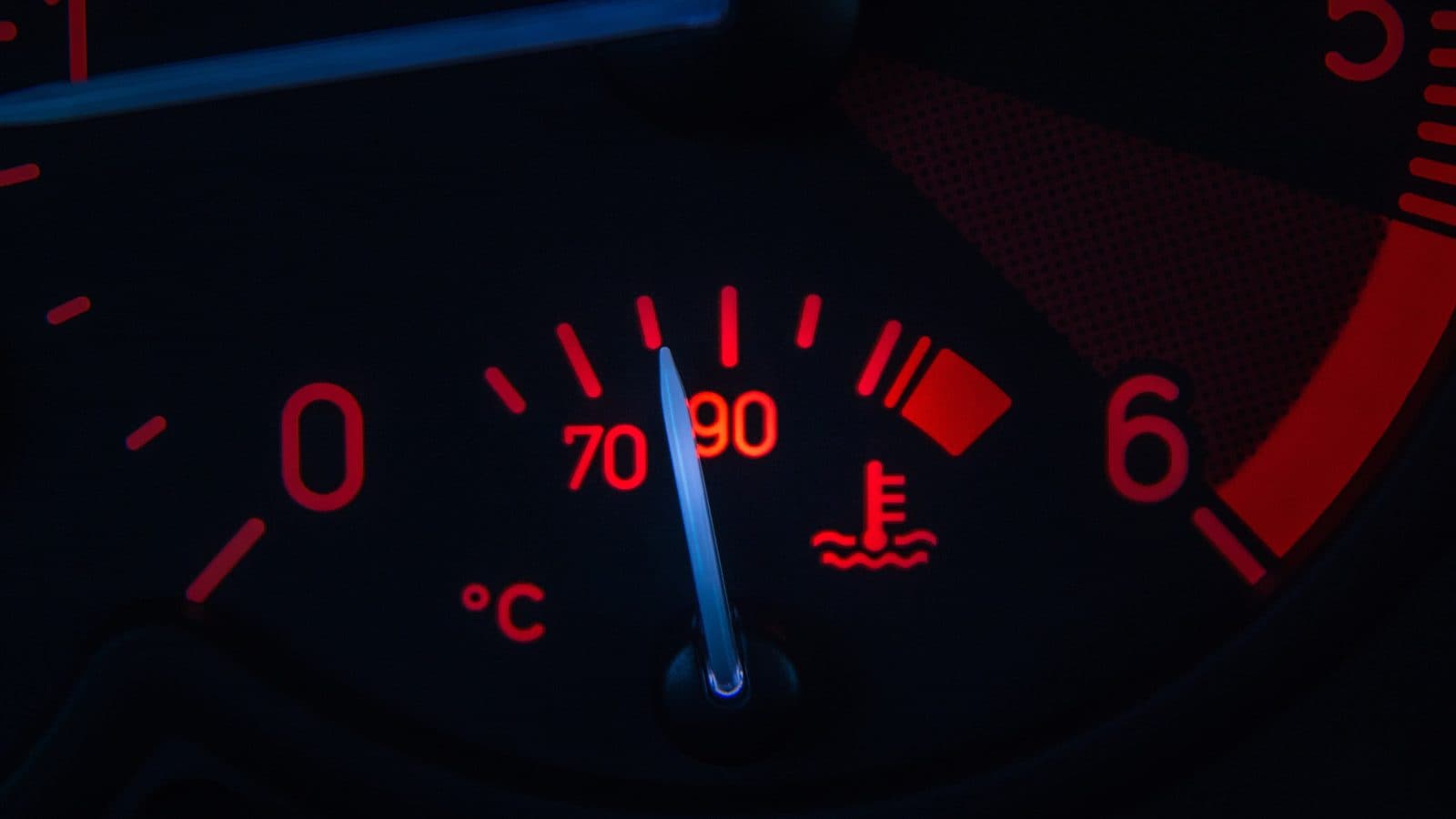 Engine & TempsKart Water Temperature: What's Normal and What Your Data SaysAround 50°C is the north star, 56°C is lap time given away. Normal kart water temperature by class, the curtain habit, and overheating signatures in data.
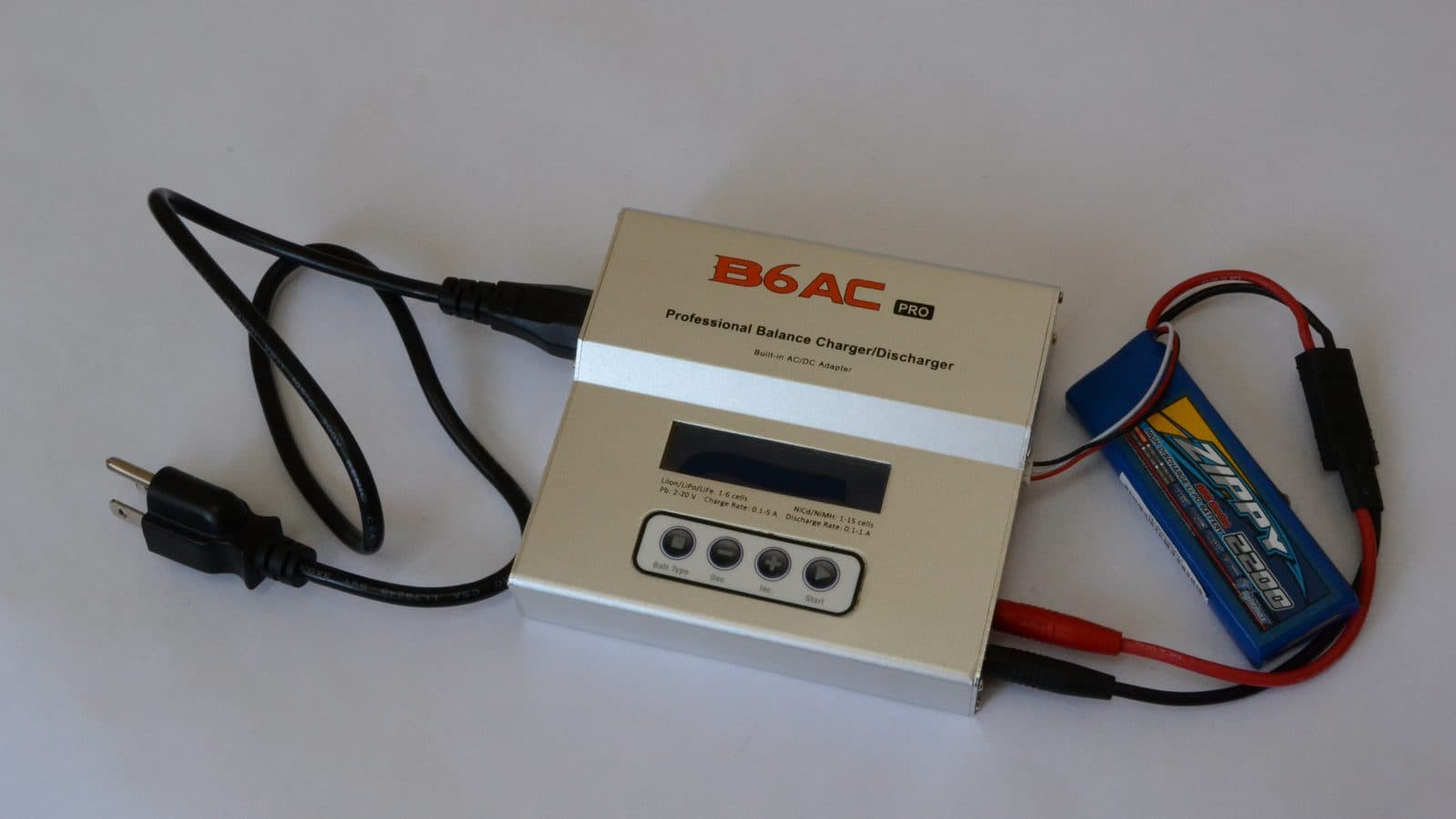 Loggers & CamerasData Logger Battery Care: Charging Habits That Extend LifeDead loggers lose sessions you can't re-drive. Charging habits, storage rules and the weekend routine that keeps kart data logger batteries alive for years.
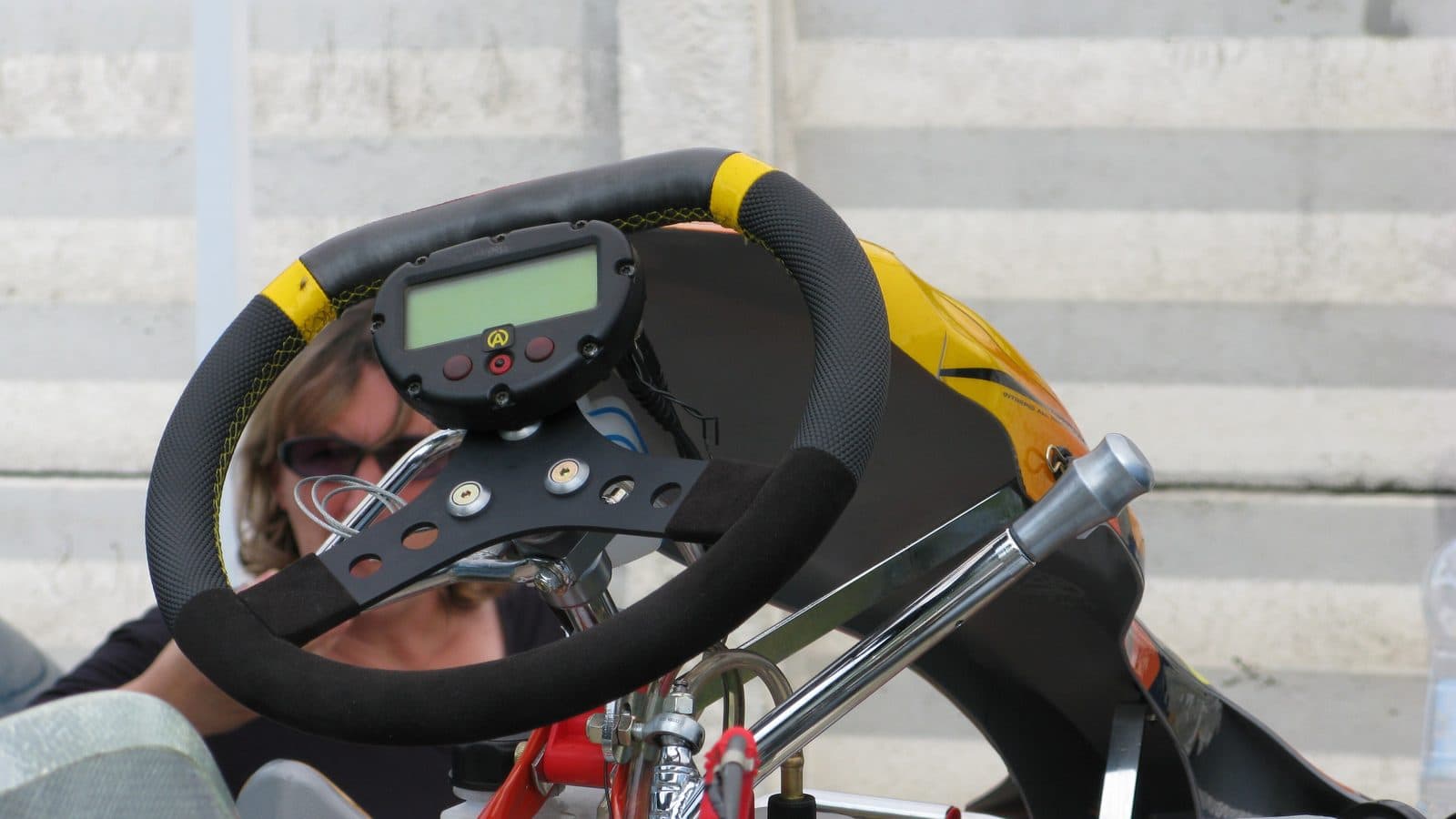 Corners & LinesSmooth Hands, Fast Laps: What Steering Data RevealsSmooth doesn't mean slow hands. What kart steering technique actually looks like, the angle tax karts charge, and how to read your hands in data and video.
 BrakingTrail Braking in Karting: How to Do It and How to See It in DataTrail braking is a release skill, not a braking skill. How it works on a kart, the drill that builds it, and the three data signatures that prove it's happening.
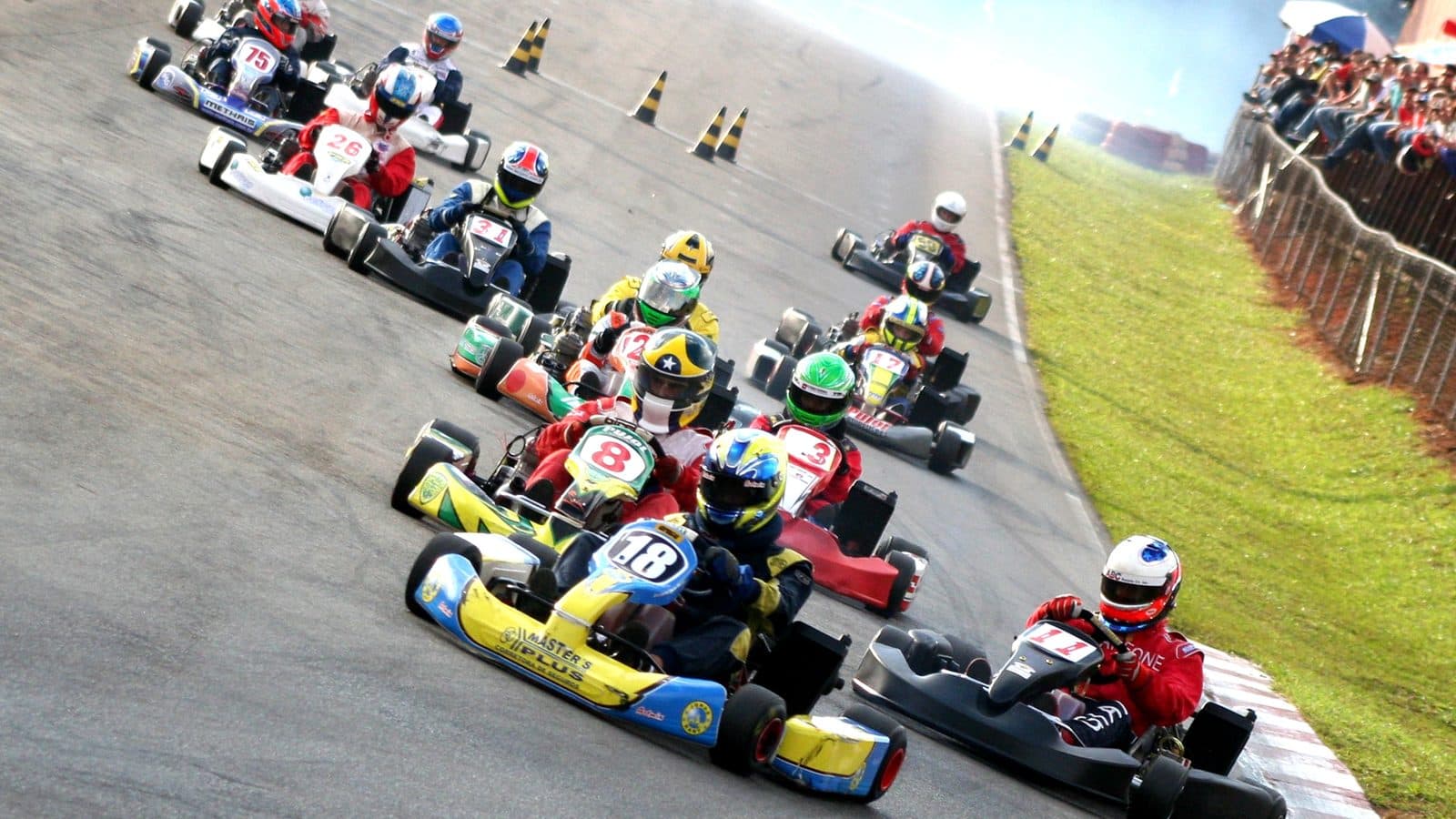 Getting StartedHow to Get Into Kart Racing: The Complete Starter GuideFrom first rental session to your first championship: the ladder, the real costs, and the honest odds, from a karting world champion who climbed it.
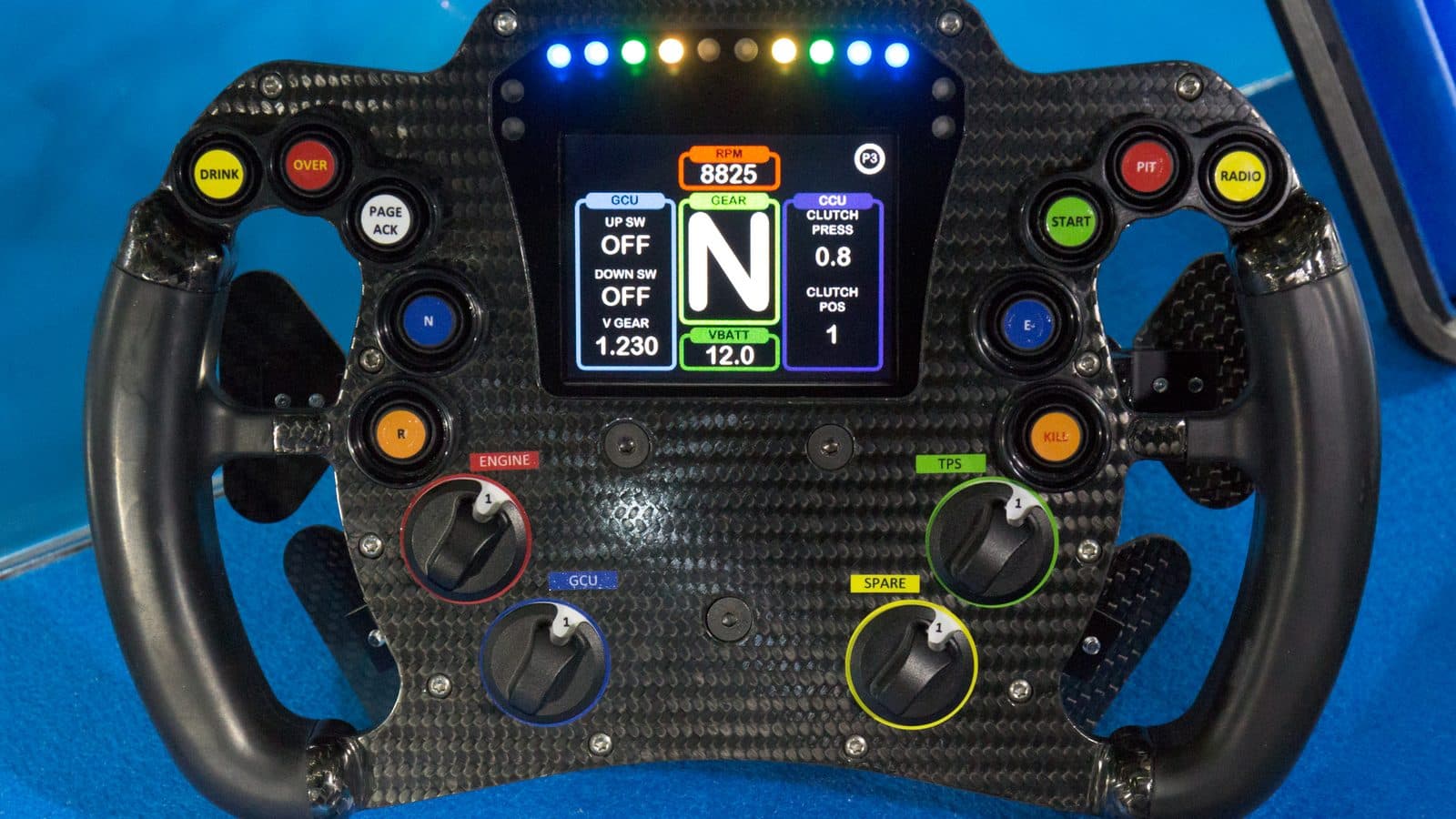 Getting StartedKarting Telemetry Glossary: 75 Data Terms Every Driver Should Know75 karting data terms in plain words: channels, traces, delta time, tyre data and session jargon. A reference glossary from a karting world champion.
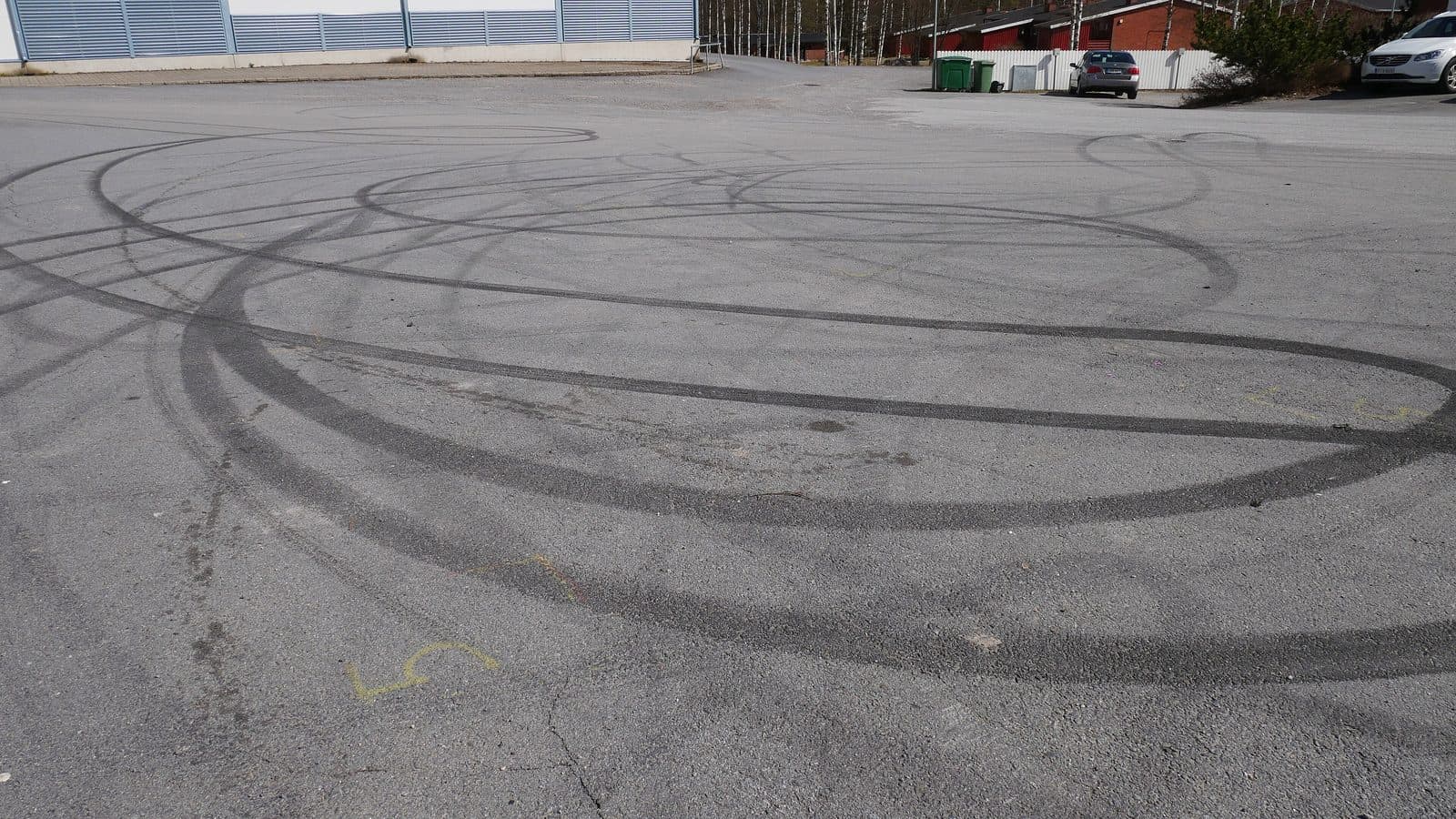 Tires & SetupTrack Grip Evolution: Reading Changing Conditions Through Your DataThe track is never the same twice. What makes grip rise and fall across a race day, and how track grip evolution shows up in your own telemetry.
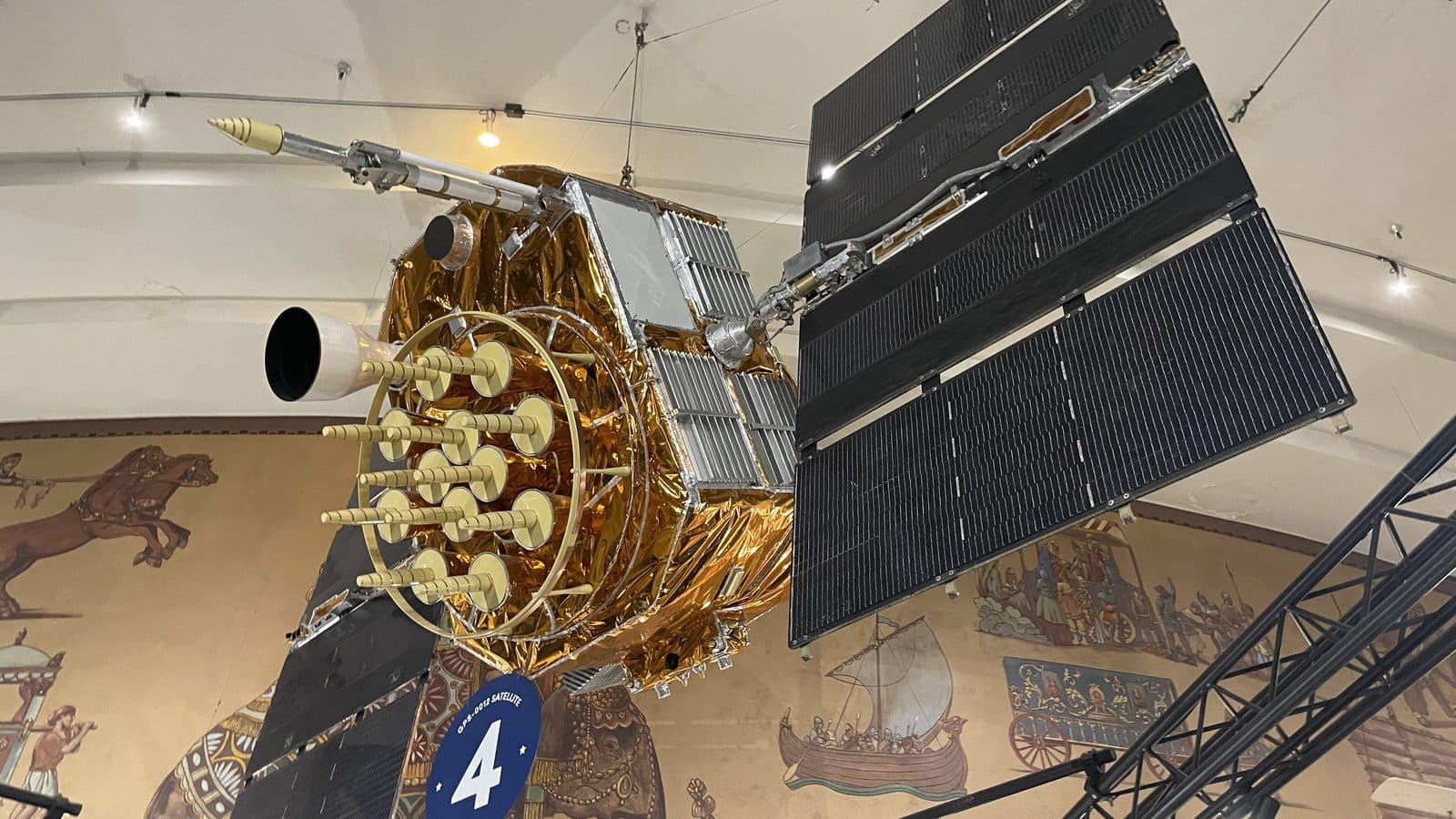 Loggers & CamerasGPS Accuracy in Karting: How Much Can You Trust Your Data?GPS gives braking points within metres and lap times within hundredths, then lies at hairpin speed. What 10Hz vs 25Hz really buys, and when to trust the trace.
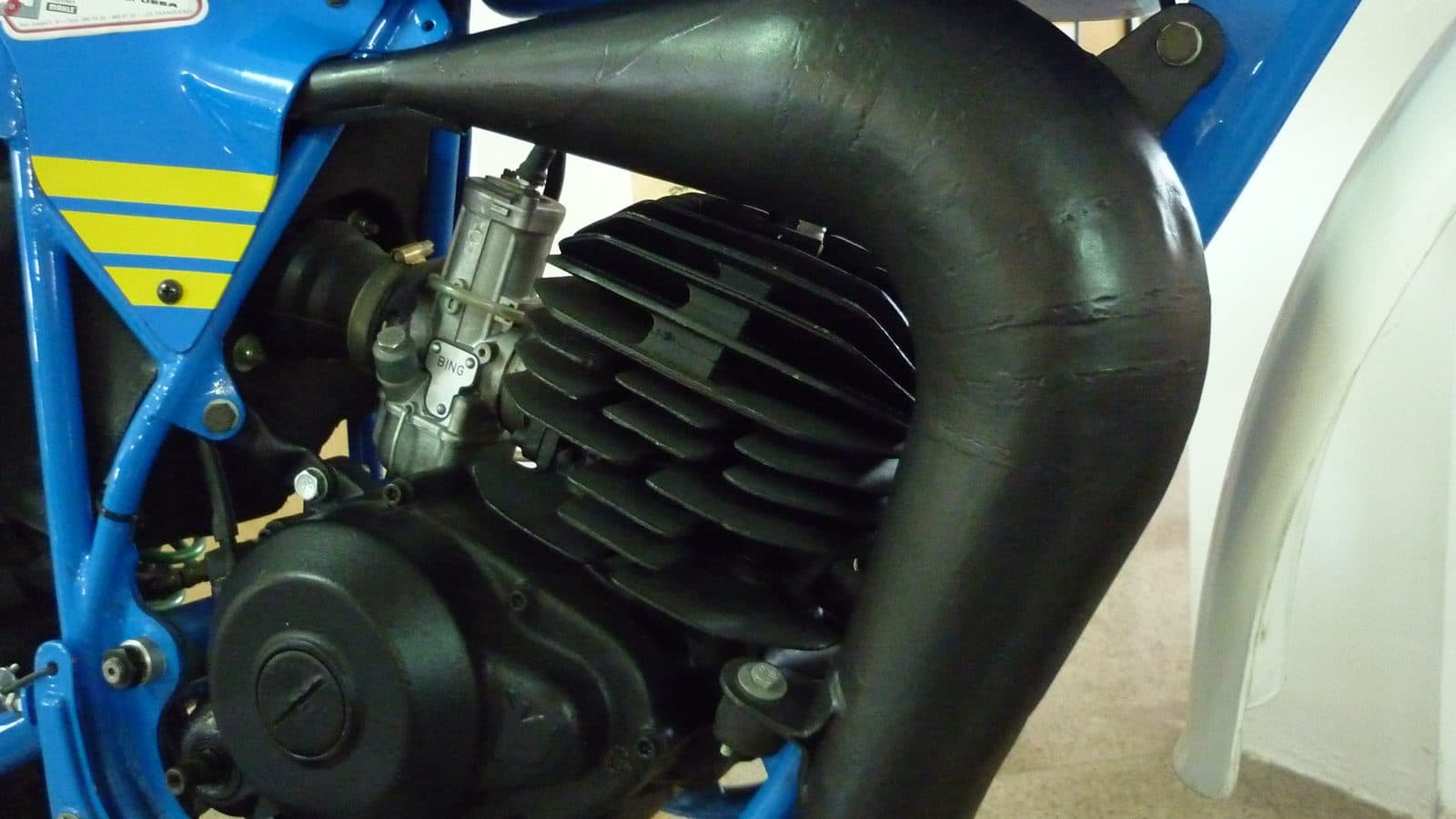 Engine & TempsEGT in Karting: Using Exhaust Temperature Data to Jet RightEGT is the carburettor's thermometer. How to read kart exhaust temperature at the bottom and the top, against peak RPM, and the seize-risk drift.
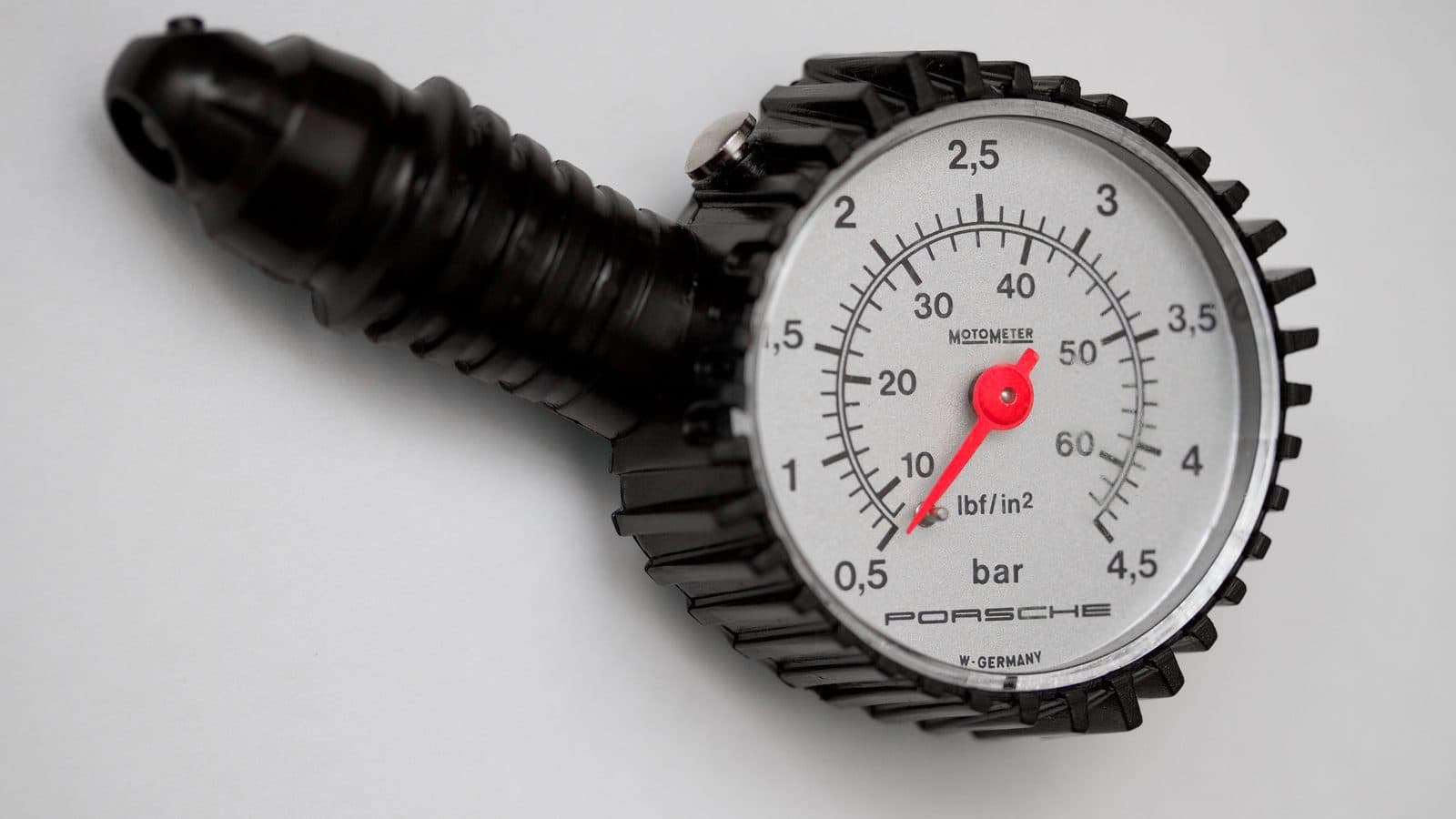 Tires & SetupKart Tire Pressure: Finding Your Optimum With DataThe manufacturer's pressure is a starting point, not a law. The window framing, the hot-day story that proves it, and the data method that finds your real number.
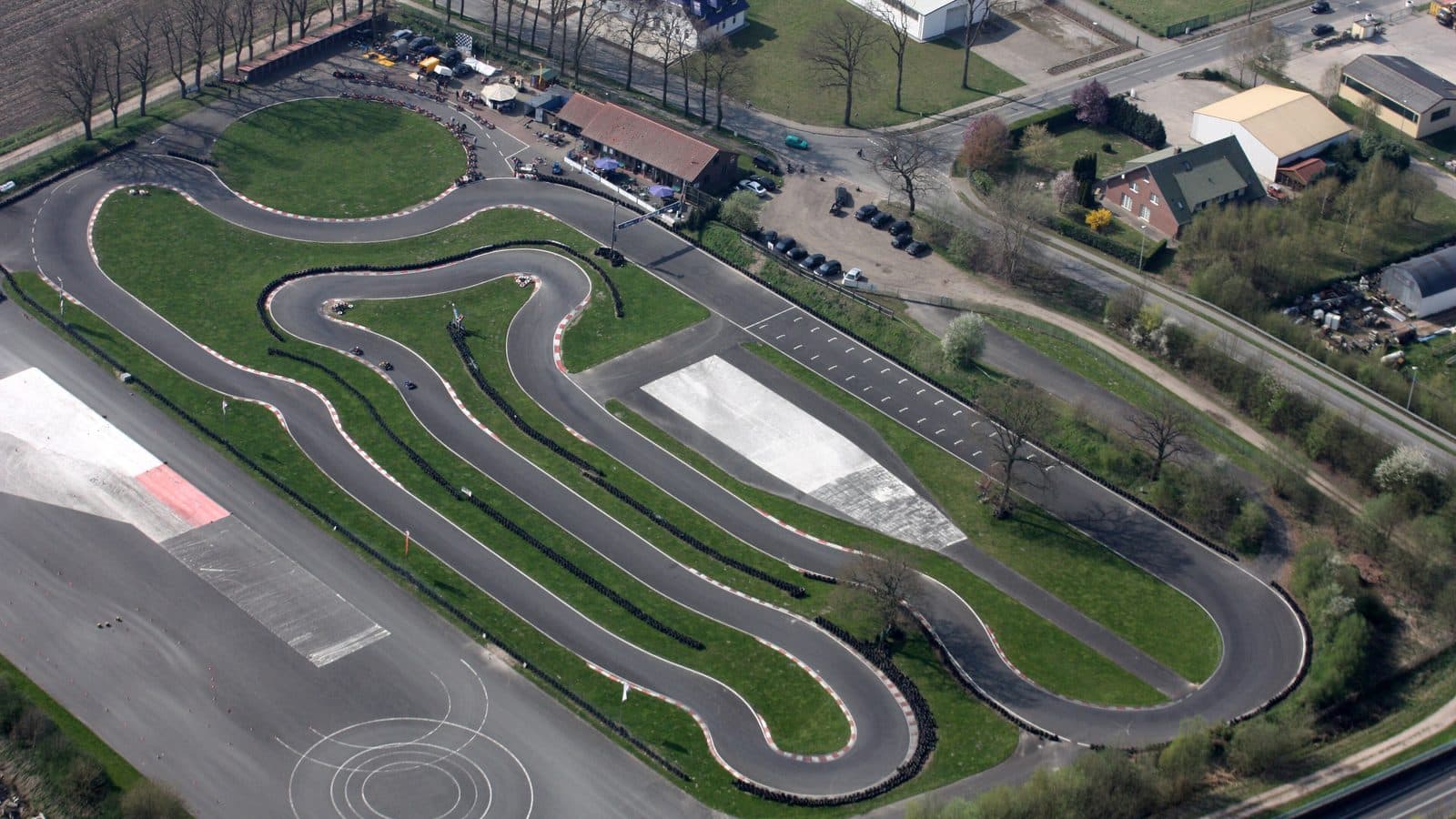 Corners & LinesKarting Corner Types: How to Attack Hairpins, Sweepers and ChicanesEvery corner type wants a different attack. Hairpins, sweepers, chicanes, combinations and the cash-out corner, each with its data signature and priority.
Photo credits
- The Friction Circle (G-G Diagram) Explained for Karting. Photo (cropped): Shuklasap, CC BY-SA 4.0, via Wikimedia Commons.
- Kart Water Temperature: What's Normal and What Your Data Says. Photo (cropped): Ivan Radic, CC BY 2.0, via Wikimedia Commons.
- Data Logger Battery Care: Charging Habits That Extend Life. Photo (cropped): KundaliniZero, CC BY-SA 3.0, via Wikimedia Commons.
- Smooth Hands, Fast Laps: What Steering Data Reveals. Photo (cropped): photobeppus, CC BY-SA 2.0, via Wikimedia Commons.
- Trail Braking in Karting: How to Do It and How to See It in Data. Photo (cropped): Pitrentotto, CC BY-SA 4.0, via Wikimedia Commons.
- How to Get Into Kart Racing: The Complete Starter Guide. Photo (cropped): Claudio PlanetKart, Public domain, via Wikimedia Commons.
- Karting Telemetry Glossary: 75 Data Terms Every Driver Should Know. Photo (cropped): Morio, CC BY-SA 3.0, via Wikimedia Commons.
- Track Grip Evolution: Reading Changing Conditions Through Your Data. Photo (cropped): Santeri Viinamäki, CC BY-SA 4.0, via Wikimedia Commons.
- GPS Accuracy in Karting: How Much Can You Trust Your Data?. Photo (cropped): Blervis, CC0, via Wikimedia Commons.
- EGT in Karting: Using Exhaust Temperature Data to Jet Right. Photo (cropped): Peprovira, CC BY 3.0, via Wikimedia Commons.
- Kart Tire Pressure: Finding Your Optimum With Data. Photo (cropped): Antti, CC BY 2.0, via Wikimedia Commons.
- Karting Corner Types: How to Attack Hairpins, Sweepers and Chicanes. Photo (cropped): Einwähler, CC BY-SA 3.0, via Wikimedia Commons.


